Category: European Model

Sunday Morning Video Update…

A wintry mix this morning sets the stage for another active week of weather across central Indiana. We also look forward to late Feb and early March…

You must be logged in to view this content. Click Here to become a member of IndyWX.com for full access.  Already a member of IndyWx.com All-Access?  Log-in here.

Permanent link to this article: https://indywx.com/sunday-morning-video-update-3/

2019 Spring Outlook…

2019 IndyWx.com Spring Outlook

Forecaster: Team; Date Issued: 02.16.19

Last spring was a tale of two seasons in itself. March (featured a foot of snow) and April were significantly colder than normal and then we shifted things to summer in May (the last month of meteorological spring was close to 10 degrees above normal). As a whole, it was a quiet severe weather season.

Despite the wild swings, at the end of the day, things “balanced out” nicely across the central Ohio Valley, including central Indiana.

As we look ahead to what the 2019 version holds, here are a few headlines that have our attention:

I. Weak Nino is behaving more like a Nina (Tropical Northern Hemisphere pattern can be thanked for this).

II. Neutral NAO is expected

III. Neutral PDO (Pacific Decadal Oscillation)

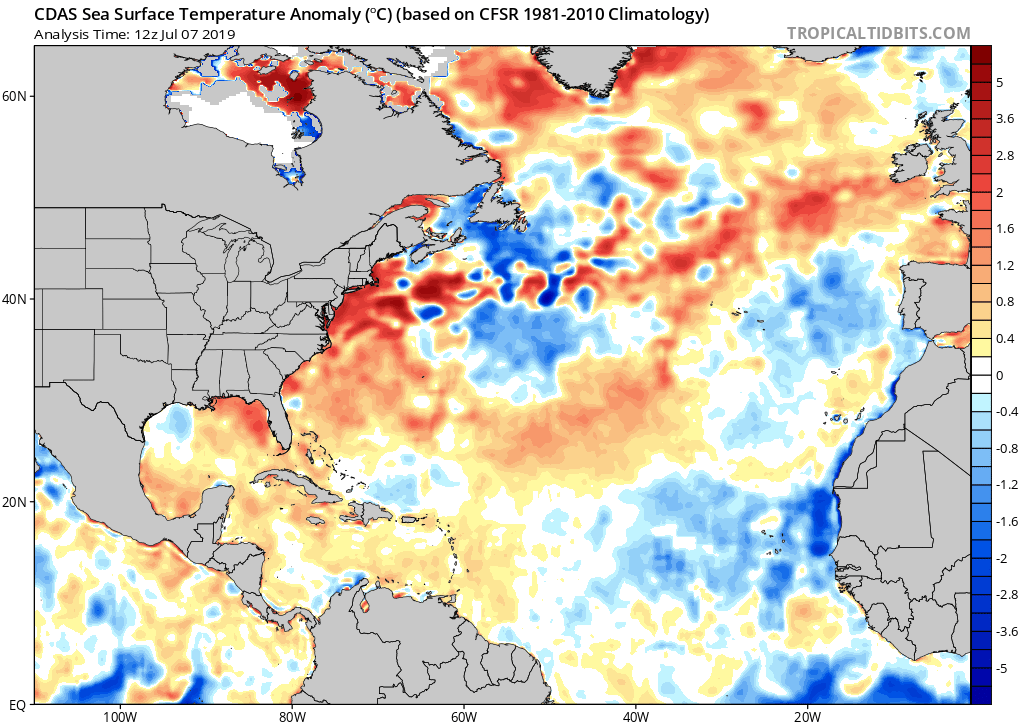
In addition, we’re paying special attention to the SST configuration in the Gulf of Mexico. A warmer than average GOM can most certainly lead to a more “hyper” severe weather season as spring gets going.

The late winter/ early spring drought monitor can give a hint where early warmth may try and get going. However, this year, we can’t rely on this tool as the Plains and East, including the heart of the #AGbelt, have seen copious amounts of moisture over the winter.

Drought Monitor as of 2/14/19
December 2018 Precipitation Anomalies
January 2019 Precipitation Anomalies

Let’s look at what the model guidance is printing out for meteorological spring:

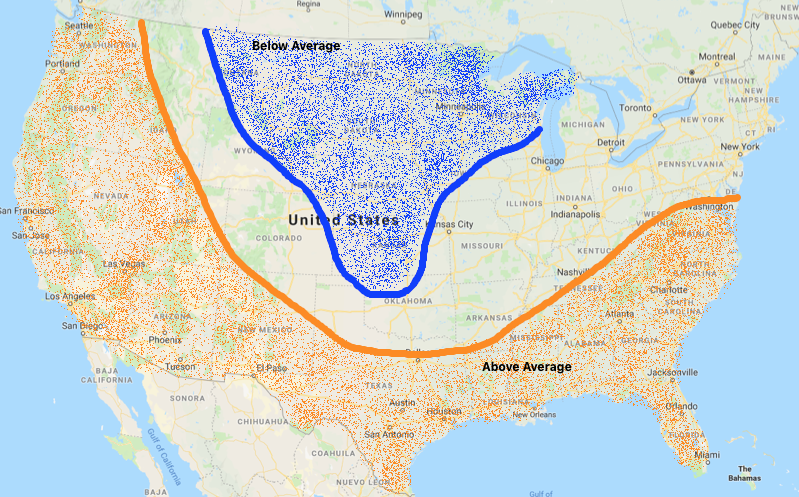
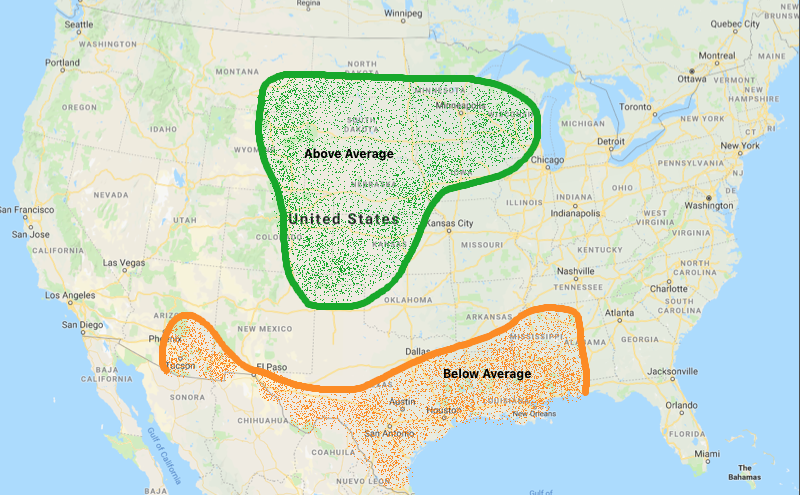
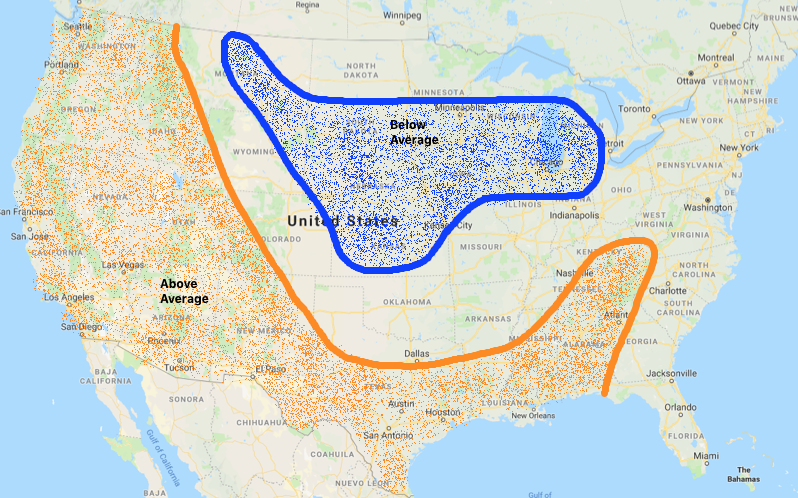
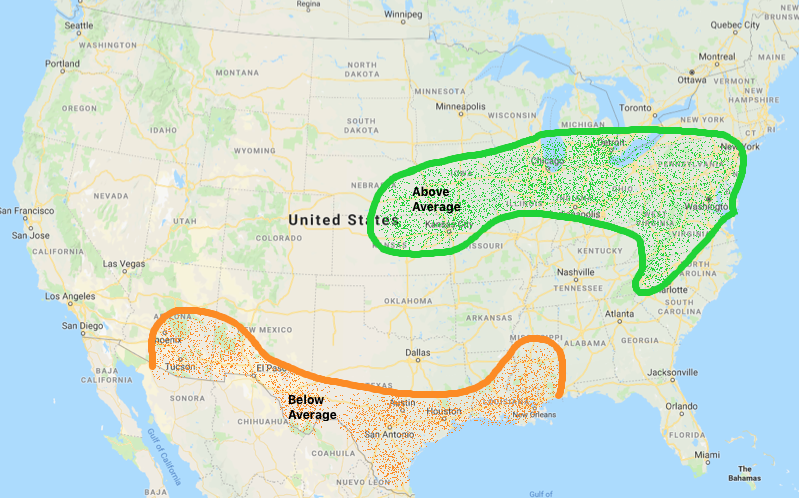
JMA

March
April
May

CFSv2

JAMSTEC

European Seasonal

Summary

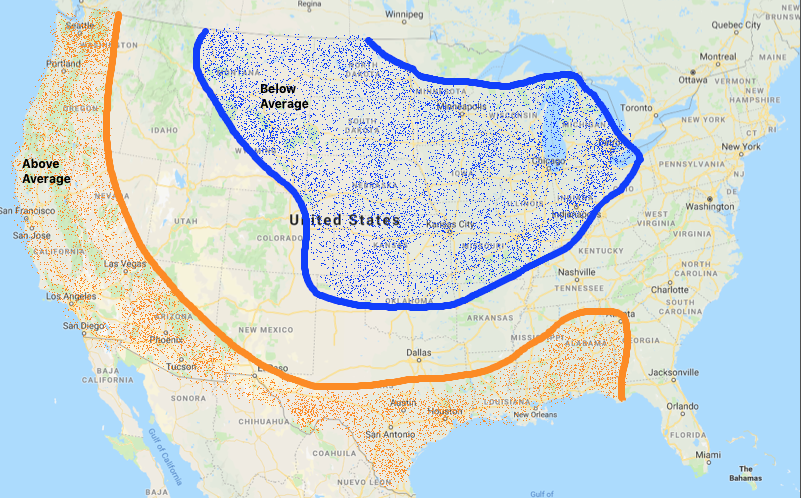
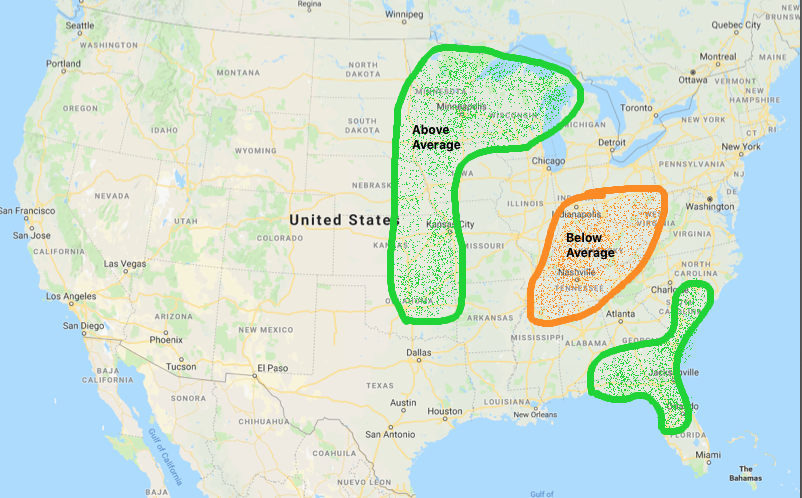
We anticipate a slightly warmer than average spring season across not only central Indiana, but the Mid West and Ohio Valley region, as a whole. A weak El Nino is expected to persist into the upcoming summer and the conditions typically associated with such should eventually show themselves (as opposed to more of a Nina-like flavor now) through the spring. We agree with the consensus of model guidance above that March is likely to feature the coldest temperatures, relative to normal, and that’s primarily due to what should be a colder 1st half of the month before more bonafide spring conditions take hold the 2nd half of the month. Precipitation is anticipated to run near average, if not slightly below average, levels through the spring. As for severe weather, we expect a much busier season than last year, especially with the warm SSTs lurking in the Gulf of Mexico.

Permanent link to this article: https://indywx.com/2019-spring-outlook/

No Rest For The Weary; Reviewing The New European Weeklies…

In the short-term, rainfall will increase in overall coverage and intensity as we progress through the overnight and on into Tuesday morning.

Most central Indiana rain gauges can expect to accumulate between 0.50″ and 1.00″ tonight into Tuesday morning. Heavier amounts will be found downstate.

We continue to closely monitor the precise track of vigorous upper level energy that will result in a narrow, but more intense, band of snow Tuesday afternoon into the evening hours. While temperatures will be marginal, it wouldn’t shock us in the least by a wet 1″ to 2″ stripe of snow that’s laid down in a narrow southwest to northeast corridor and this will warrant close attention with subsequent model updates overnight. An early idea of where this may be is below:

Regardless of where this potentially more significant snowband lies, all of us will get in on the “backlash” snow showers/ squall action Tuesday evening and night.

Looking ahead, continued active times loom. We’re tracking additional storms Thursday night into Friday and again over the upcoming weekend. Yet another storm is slated for an arrival early parts of the following week. As cold air continues to get more involved, these storm systems will be plenty capable of dealing out more in the way of wintry “fun and games,” but the pattern is “hectic” right now and each storm will have to be dealt with as they come. Understanding that it’s still in the 6-10 day time period, the storm early next week seems to have the greatest potential of widespread wintry implications of significance. This is given the overall pattern evolution away from the “transitional” period we’re currently in and squarely inside the cold/ wintry window we’ve been outlining from 2/18 through 3/10. Time will tell…

European Weeklies

The new European Weeklies show the cold currently confined to the PAC NW and northern Plains “spreading out” and encompassing a more widespread portion of the country- especially from the Appalachians and points west (but periodically making it as far east as the coast). The cold is forecast by the model to dive deep into the southern Plains and into the Southeast as we move into the latter parts of February into early March. Perhaps the biggest change from tonight’s update from Thursday is the idea that the cold will linger deeper into March than previously thought. (Please note this doesn’t change our current *official* idea of cold lifting by mid-month, but simply just rehashing model output). Let’s see if we can get some consistency to develop before altering our current forecast.

From a teleconnection stand point, the model does take the NAO neutral to negative late Feb into early March before returning things solidly positive by mid-month.

Permanent link to this article: https://indywx.com/no-rest-for-the-weary-reviewing-the-new-european-weeklies/

Weekend Threat: Subtle Differences Make All The Difference…

We wanted to take a quick opportunity to discuss the weekend snow threat. While certainly on the table, it’s far from etched in stone. We note the models doing their usual “herky-jerky” moves 5-6 days out. At the end of the day, there’s a notable threat present, but we prefer to watch things unfold over the next few days before beginning to get too excited.

Subtle differences between the European model (image 1) and GFS (image 2) are seen in the handling of the 500mb pattern. The GFS is quicker to phase the upper energy and leads to a more robust system.  The European isn’t nearly as excited and instead dampens the energy coming east.  These seemingly minute differences can make all the difference when it comes to the sensible weather that may (or may not) impact your weekend plans.  If the European is correct, this is a rather non-event, locally.  However, should the GFS idea be correct, this will be a widespread Ohio Valley snow event that’ll require gassing up the snow plows…

The European model weakens the energy coming east needed to fuel a more substantial storm Friday into Saturday.

The GFS model bundles the upper energy and phases things- leading to a more significant wintry threat by Saturday.

Stay tuned as we’re still a few days out from having confidence needed to begin to sound the alarm. 😉

In the longer range, tonight’s data continues to head in the direction where winter will make up for lost time to close January and head on into February.  Delayed, but not denied…

Permanent link to this article: https://indywx.com/weekend-threat-subtle-differences-make-all-the-difference/

Rain Arrives Tomorrow…

You must be logged in to view this content. Click Here to become a member of IndyWX.com for full access.  Already a member of IndyWx.com All-Access?  Log-in here.

Permanent link to this article: https://indywx.com/rain-arrives-tomorrow/