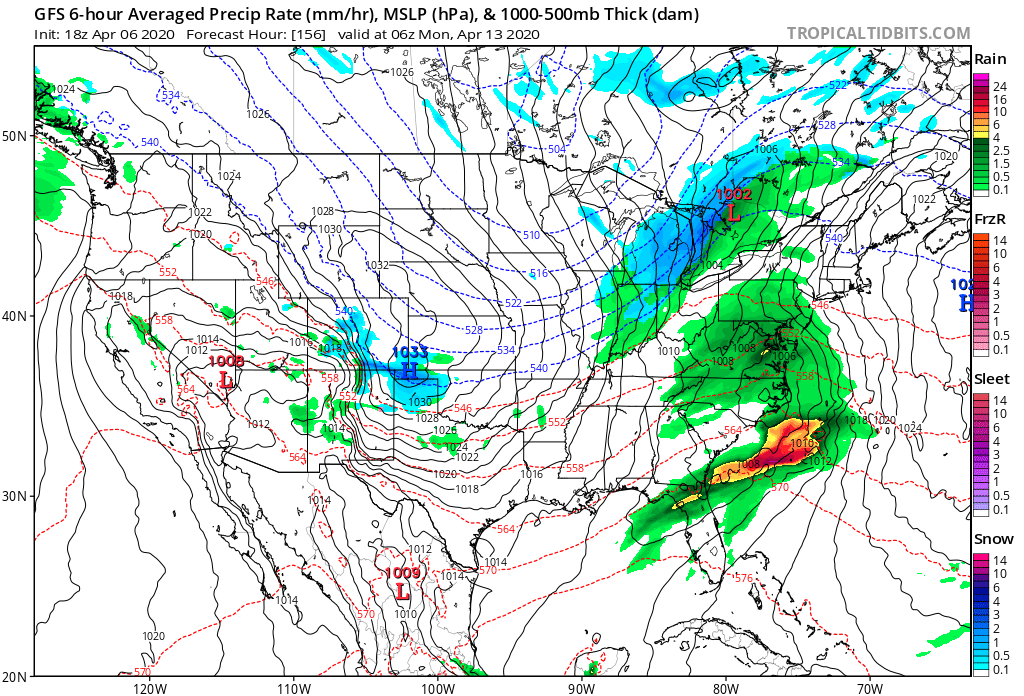
With the exception of a rain maker blowing through the region Monday evening into Tuesday, we’re heading into a relatively quiet weather pattern for the upcoming 7-8 days. A couple of days of well below average temperatures will follow Tuesday’s cold front before weekend moderation takes place. With the shift in the pattern (albeit likely only for a brief period of time), we thought we’d look ahead to what may loom to close February and head into March.
As we’ve discussed in the past, the EPO and MJO are the keys to the pattern, and will continue to be through March. Some of the recent trends with both features would suggest cold is going to fight back as we head into late Feb and early March (spike positive in the EPO also boosts our confidence the pattern will warm over the weekend and into early parts of Week 2). This would likely be met with a return of an active storm track through our neck of the woods.
Both the GEFS and EPS paint a developing negative EPO as we close the month and welcome March. Secondly, the MJO is looking more and more like it’ll move out of the traditional winter warm phases and towards a much colder Phase 8. Collectively, these features should give pause to anyone thinking the kick-off to meteorological spring will be met with dry, warm weather. In reality, the opposite would more than likely result- stormy with colder than normal weather.
This is also the time we begin leaning more heavily on the influence a negative NAO can have on the pattern. Should this teleconnection get into the negative territory in March, then we’d be talking about a potential colder pattern lasting for 10-14 days towards one that would reload to result in colder, wintry conditions lasting into April. While not there yet, it’s certainly worth keeping an eye on in the coming days and weeks.
I want to give a couple examples of significant conflicting signals- both short and long-term. The end result is a situation where long range, climate, and seasonal models are likely to have a very tough time not only in the medium to long range (2-4 week period), but thinking seasonally, as well (winter and next spring).
Short-term
To start, let’s look at the EPO. While strongly positive at present, both the EPS and GEFS pictured below take the EPO, or East Pacific Oscillation, negative in the coming couple of weeks.
A negative EPO pattern favors a trough across the eastern portion of the country, especially here in our neck of the woods, with western ridging.
All well and good, right? WRONG. The MJO, or Madden Julian Oscillation, is forecast to stall out into early October in Phase 1.
This time of year, Phase 1 argues strongly for eastern ridging and well above normal warmth while the western portion of the country can experience early wintry conditions.
Talk about contradiction! That’s what makes weather so fun and fascinating. Expect to be humbled often and to always learn! At various times of the year, select teleconnections can mean a lot more than other times of the year. For example, during the summer and fall, we lean heavily on the EPO, PNA, and MJO (if amplified). During the winter and spring, it’s important to take into account what the AO and NAO have to say. It’s important to know when to “pick and choose” when to use particular teleconnections… Furthermore, the various MJO phases (1-8) mean drastically different things at different times of the year. While lovers of chilly fall conditions have grown to hate an amplified Phase 1, they have to love it come winter (shown below). Just look at that difference!
Before jumping ahead to another example of “contradicting signals,” we’re confident the amplified MJO Phase 1 will carry the day through the short to medium range period. Note the strong agreement between the EPS and GEFS below with respect to temperature anomalies in the 6-10 day period.
With that said, there will be challenges within (the big difference as early as this weekend between the GFS and European operational data). A lot of that has to do with the “fight” between the EPO and MJO to take control.
As all of this unfolds across the East, the west will begin to cash in on early winter. Well below average cold and snowy conditions will begin to make headlines over the weekend into next week across not only the Rockies, but some of the low ground, as well. Should the MJO swing into Phase 2 (and I think it will towards mid-Oct), then watch out. We’ll be looking at a rather significant shift towards a much colder feel- and it’ll sting even more so with the late season heat over the better part of the next couple of weeks.
Flipping the page to winter (remember, our prelim. winter outlook will be posted later this week) and the contradiction continues. Upon looking at the current SST configuration, one could easily argue we’re talking about a La Nina winter unfolding ahead.
Meanwhile, the current SOI would suggest we’re in a moderate El Nino.
If you think this can’t wreck havoc even on the short-term forecast pattern, think again…
To close, while the conflicting data can create headaches at times, it’s more fascinating than ever trying to sift through the data and build our forecast(s). It’d be wise to expect more wild swings ahead- leave it to us to try and minimize the impacts of those swings in your day-to-day personal and professional lives. Accordingly, it’s also ultra-important to factor in additional items, such as solar and PDO into the equation for the upcoming winter.
Speaking of, without giving too much away, if I’m a winter weather fan (and I am), I wouldn’t worry in the least about the current warmth… 😉
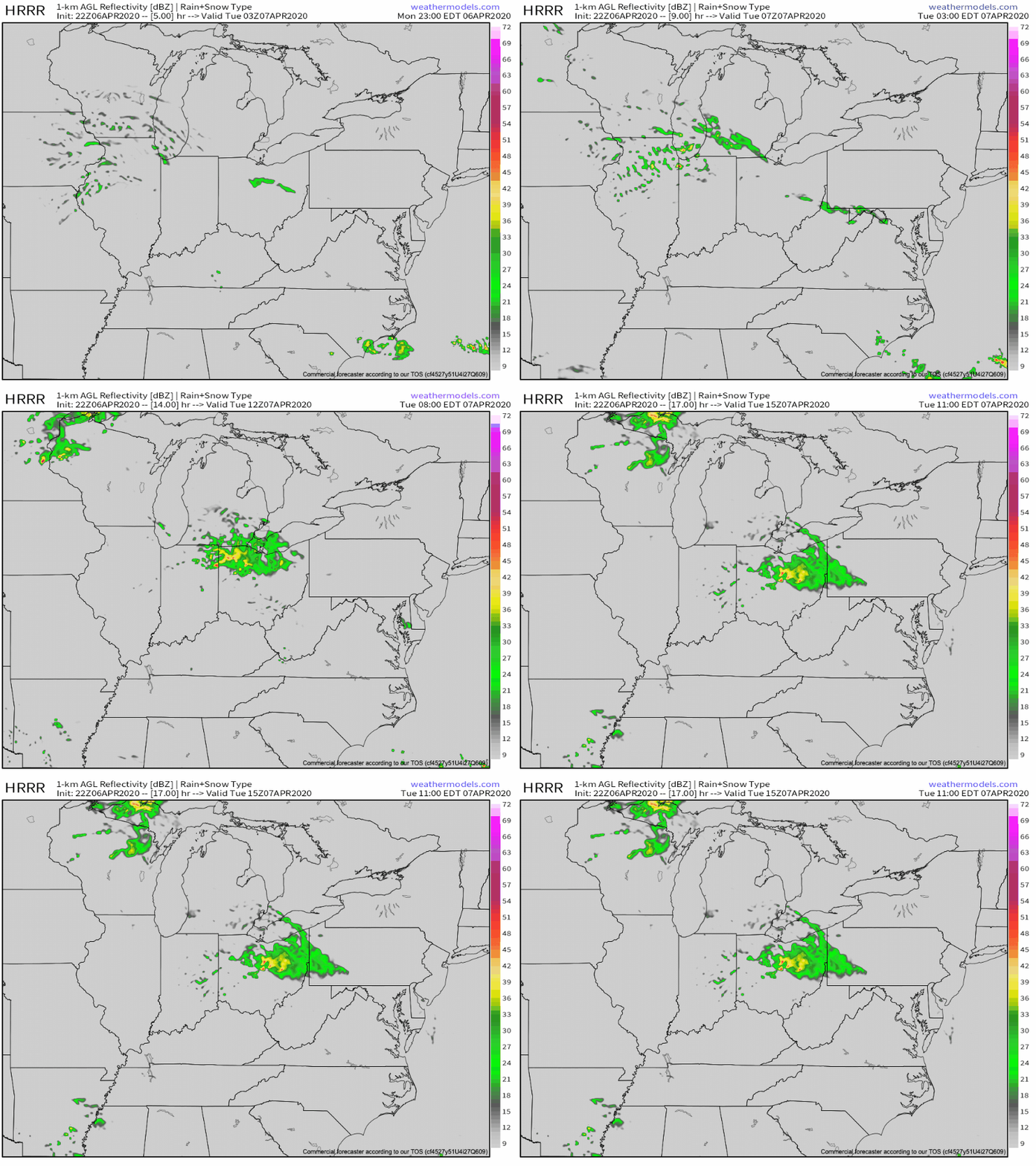
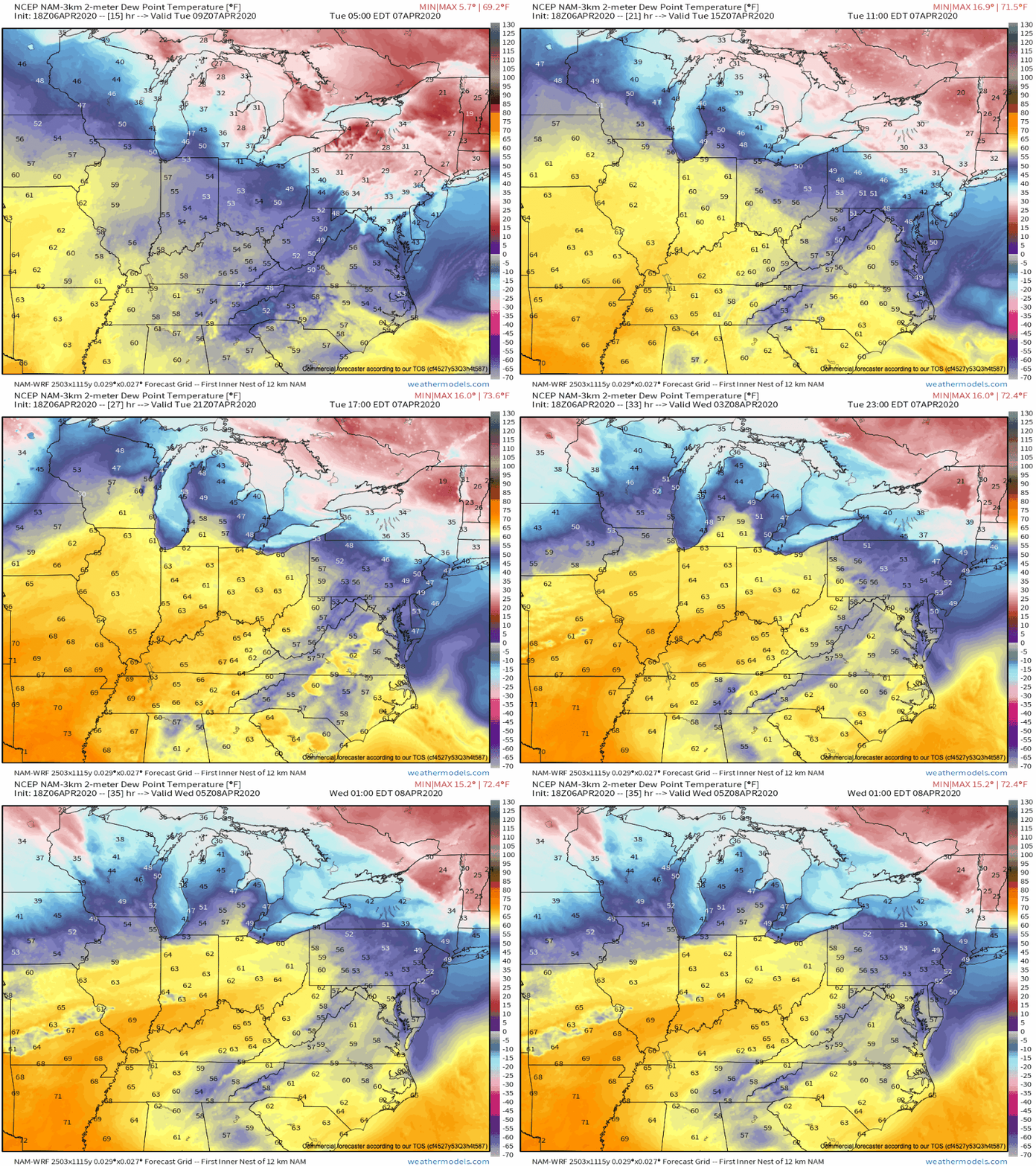
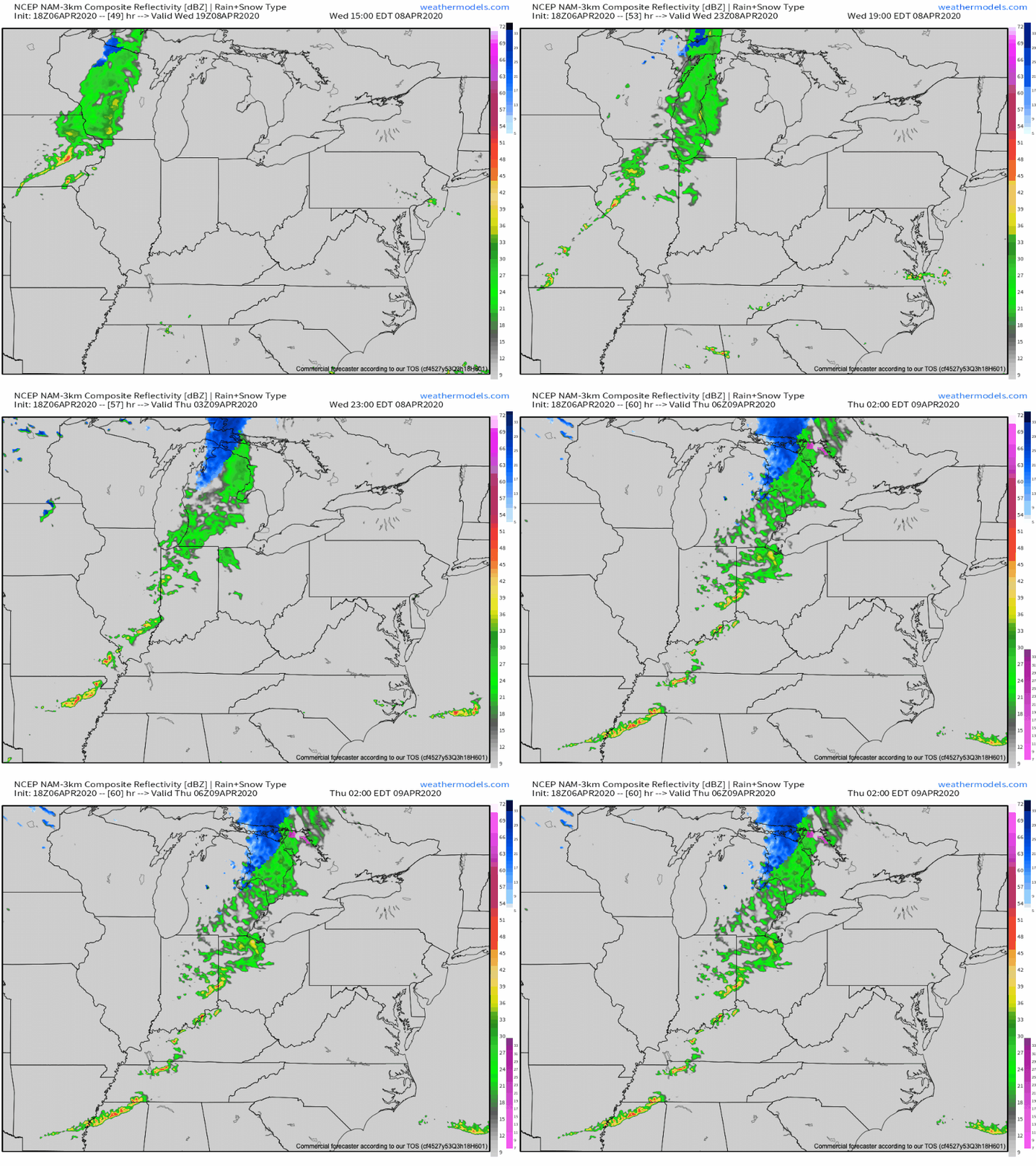
Active weather will continue as we move through mid and late week. A cold front currently north of the region will slowly move south into central Indiana before stalling out and lifting back north as a warm front Thursday. This will serve as a focal point for additional thunderstorm development over the next few days.
With a warm and moist environment in place, along with enough instability and forcing, storms may become strong to severe at times. While the setup the next couple of days doesn’t appear as favorable for tornadoes (when compared to yesterday), all modes of severe weather will be possible with the stronger storms. (Always have to be leery with a warm front nearby).
Periods of more concentrated storms can be expected this evening into Wednesday morning and again Wednesday evening into Thursday morning. In addition to a strong thunderstorm threat, locally heavy rain is a good bet.
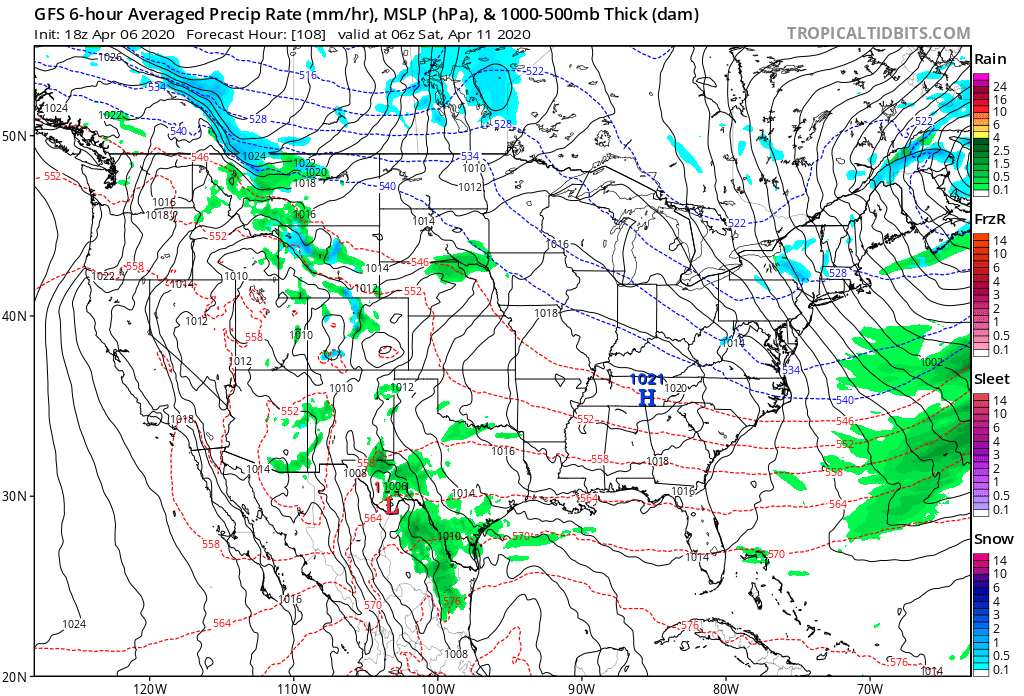
There is hope that we will be able to work drier air into the region over the upcoming weekend, helping to reduce rain chances between Sunday and next Tuesday. Let’s keep our fingers crossed…
You must be logged in to view this content. Click Here to become a member of IndyWX.com for full access. Already a member of IndyWx.com All-Access? Log-in here.
Yesterday was only the beginning of a renewed prolonged stretch of unsettled and stormy weather. A series of fronts will make a move towards the OHV only to stall out and lift north back as a warm front over the upcoming 7-day period. The end result? An extended stretch of wet, stormy conditions.
Rainfall amounts will run above normal over the upcoming 7-day period.
Get used to the setup above with a stalled front nearby and waves of low pressure moving along the associated boundaries from time to time. As these ripples of energy scoot along the front, more enhanced showers and thunderstorms can be expected.
It’s still tough from this distance to say with certainty which day(s) will offer up the most widespread shower and thunderstorm coverage in this pattern, but we continue to lean towards Saturday into Sunday. Stay tuned.
Models agree on widespread 1.5″ to 2.5″ rainfall totals over the upcoming week with locally heavier amounts.
Conditions will also return to a warmer than normal theme into the middle of next week. At times, conditions will become oppressive (depending on which side of the front you find yourself on). If heading to the track, ensure you have means to remain cool and pack the rain gear just to be safe!
More later tonight on the long range, including a video recap of our Summer Outlook.