Chilly, But Quiet Pattern Continues (For Now)…
You must be logged in to view this content. Click Here to become a member of IndyWX.com for full access. Already a member of IndyWx.com All-Access? Log-in here.
You must be logged in to view this content. Click Here to become a member of IndyWX.com for full access. Already a member of IndyWx.com All-Access? Log-in here.
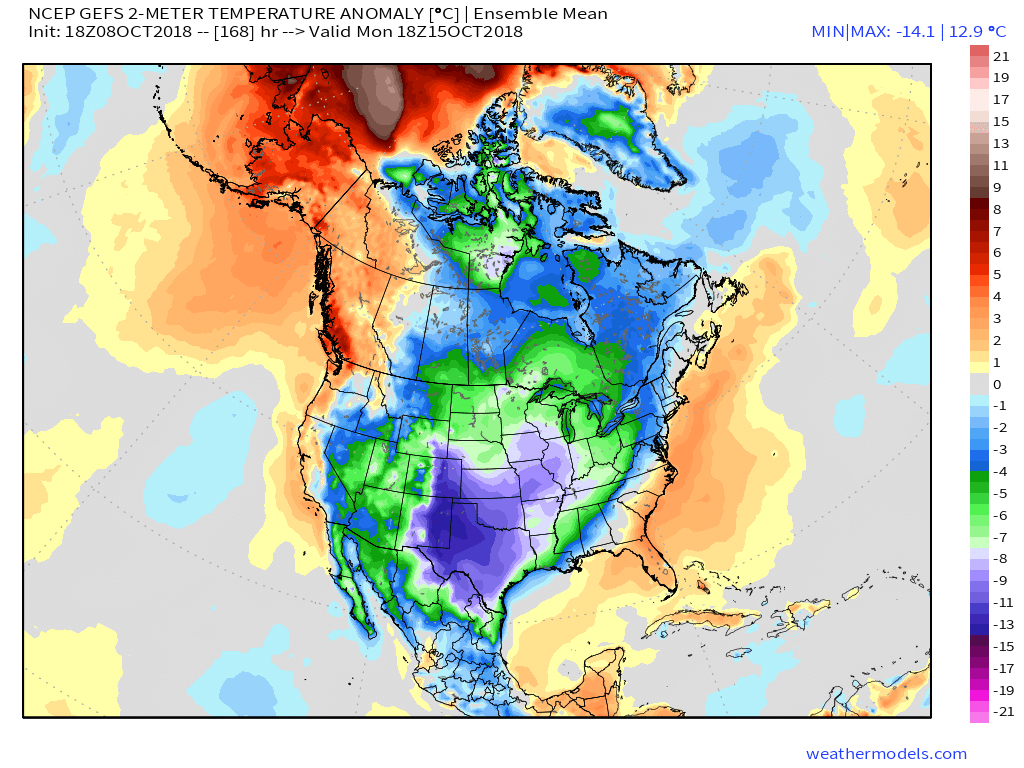
The short and medium range weather pattern will be highlighted by a colder than average regime, but one that’s also drier than normal.
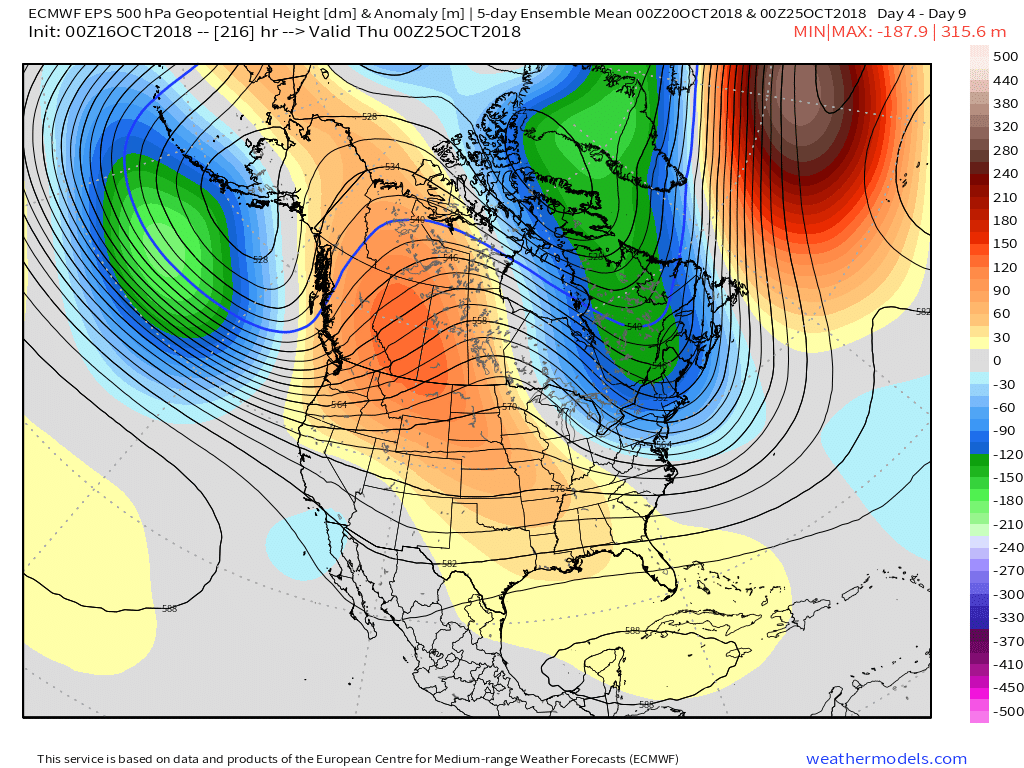


The positive PNA will continue to support the mean trough position in the central and eastern portion of the country as we rumble into late October.

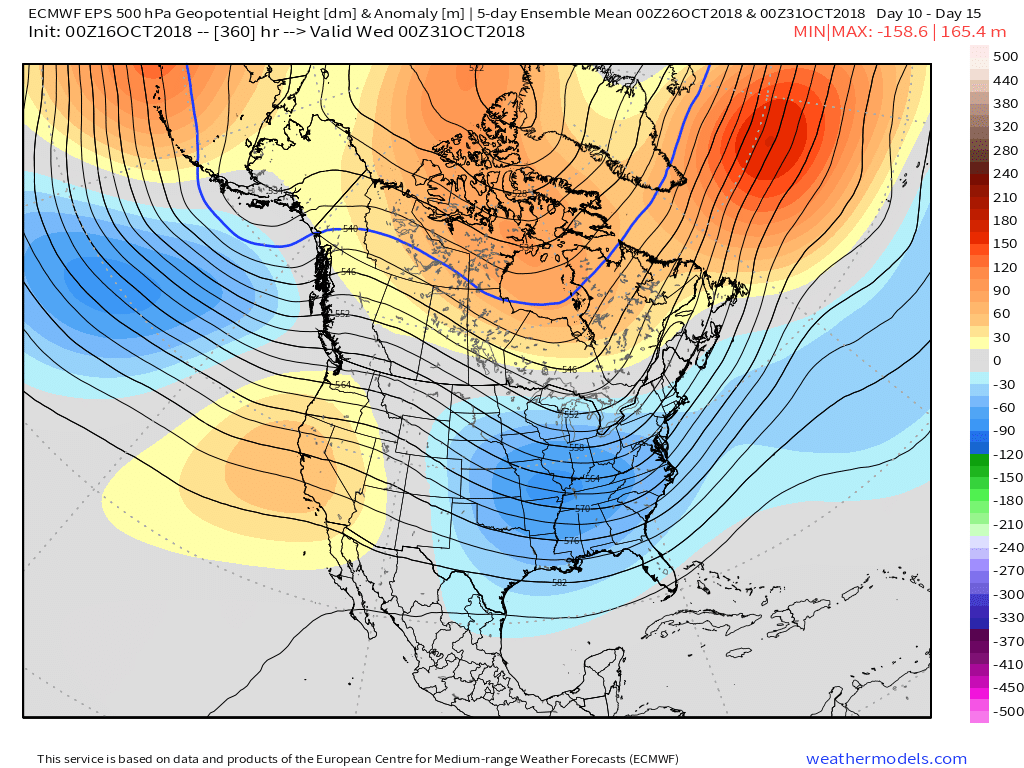
As we look ahead, there are growing indications a more significant storm may impact the general region as we get closer to Halloween. This is the next time frame we’re closely monitoring for the potential of an impactful storm system. Given the overall setup, we would be surprised if this particular storm didn’t present a wintry side, as well, but it’s simply too early to know the details from a couple of weeks out. Stay tuned.
You must be logged in to view this content. Click Here to become a member of IndyWX.com for full access. Already a member of IndyWx.com All-Access? Log-in here.
You must be logged in to view this content. Click Here to become a member of IndyWX.com for full access. Already a member of IndyWx.com All-Access? Log-in here.
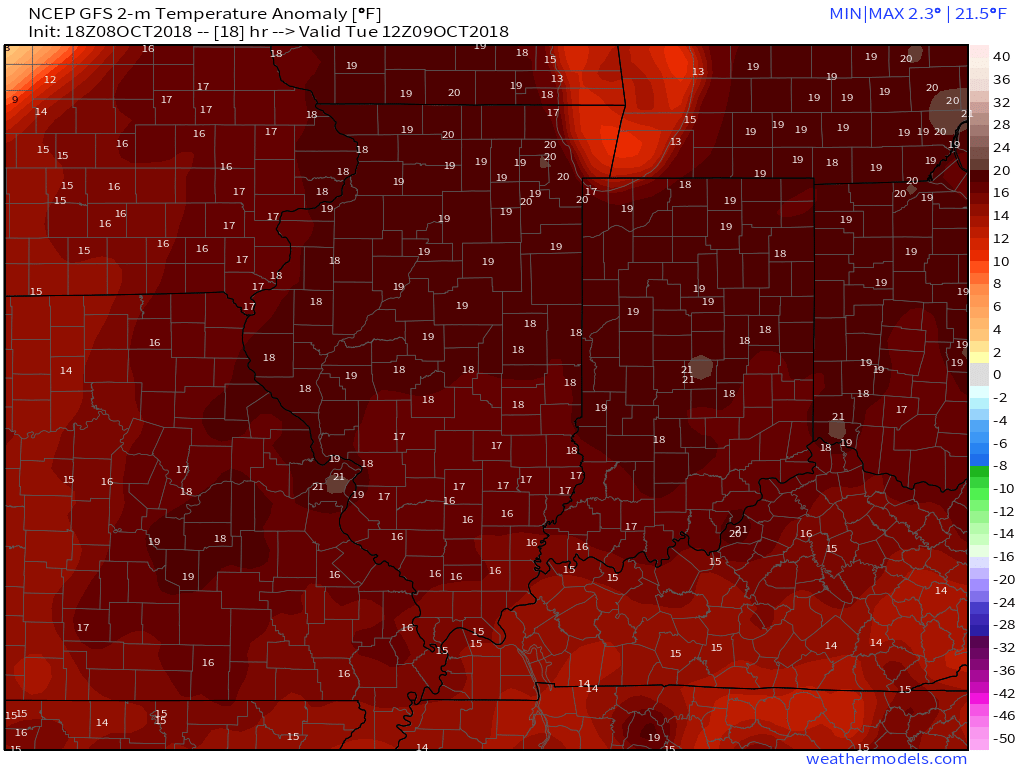
High pressure and warm southwesterly winds will lead to one more summer-like day before significant changes take place. Plentiful sunshine can be expected Tuesday with temperatures closer to a record high (88° set in 1939) than the average of 68°.
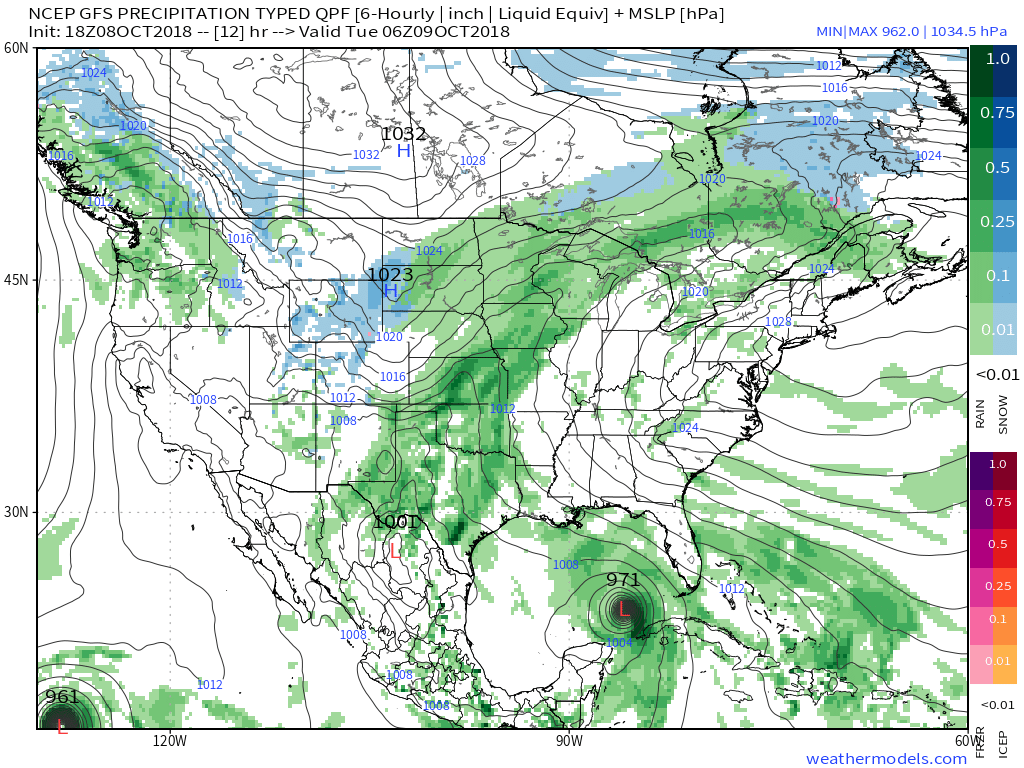
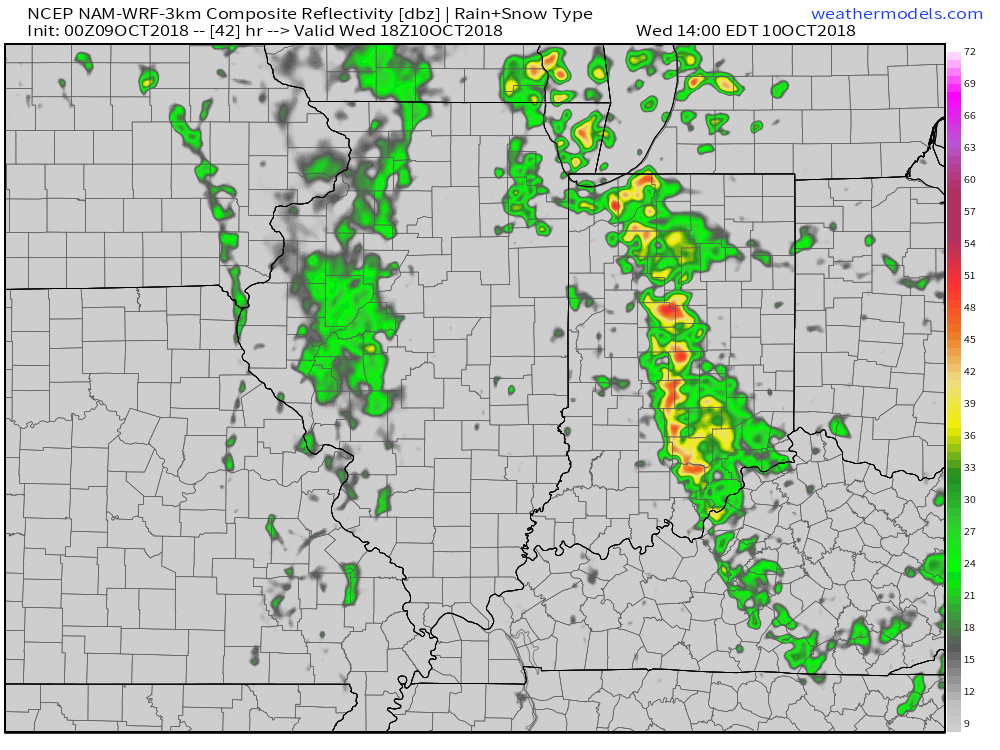
 A cold front will sweep through the region Wednesday evening and will lead to a better chance of more concentrated showers and thunderstorms for our hump day. Precipitable water values (PWATs) will approach 2″ Wednesday afternoon which is almost unheard of by October standards. As a result, a couple of the storms may be accompanied by locally heavy rainfall.

 Winds of change will be blowing in earnest Wednesday night and Thursday morning and a legit fall feel will greet us out the door! Most of central Indiana can expect temperatures to be falling into the 40s Thursday morning along with a nice northwest breeze.
 Longer term, a new storm system (including remnant moisture from Sergio) is expected to impact our weekend weather. We’ll trend our forecast wetter with reviewing some of the latest data. Sunday appears to be the wettest day.

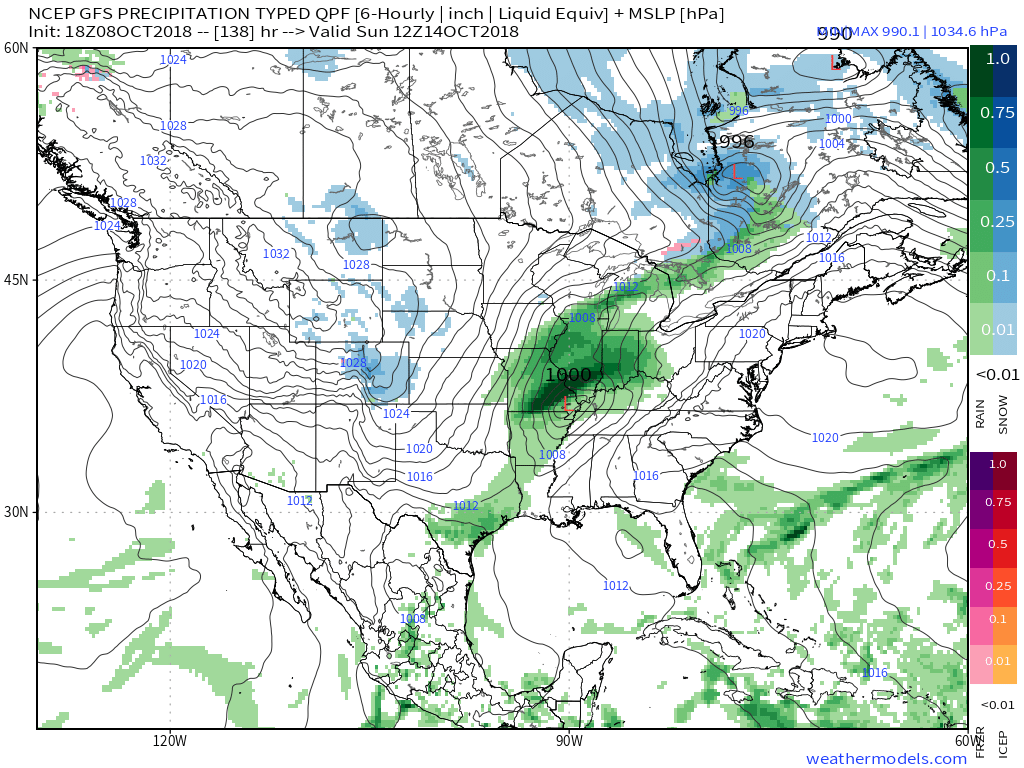 An even more impressive push of fall air will follow on the heels of Sergio’s remnants early next week, including the potential of frost for more of the Ohio Valley, including central Indiana.