The Week Opens Quiet Before More Unsettled Times Return…
High pressure will remain in control of our weather pattern through the early portions of the new week. This will supply continued dry conditions, along with plentiful sunshine. Humidity values will remain comfortable as we open the work week before turning increasingly muggy as midweek nears.
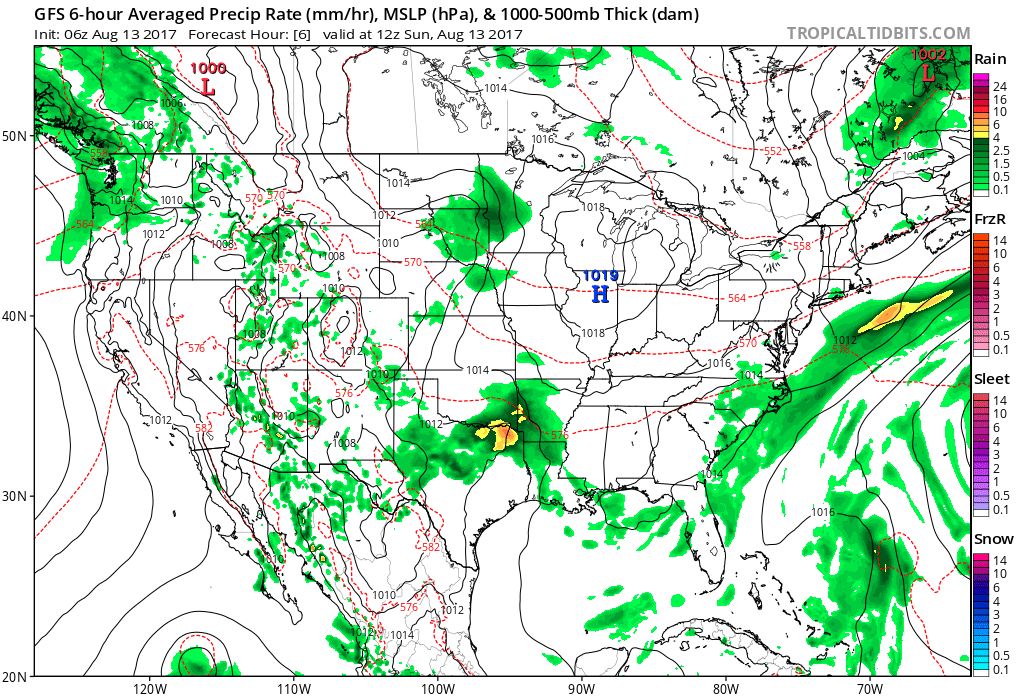
As high pressure moves off to the east, a southwesterly air flow will help moisture return to the state by mid and late week. As a cold front enters the picture, overall coverage of showers and thunderstorms will increase and become scattered to numerous. We’re not expecting any sort of all-day rains, but chances of getting wet from time to time will go up Wednesday through Friday.
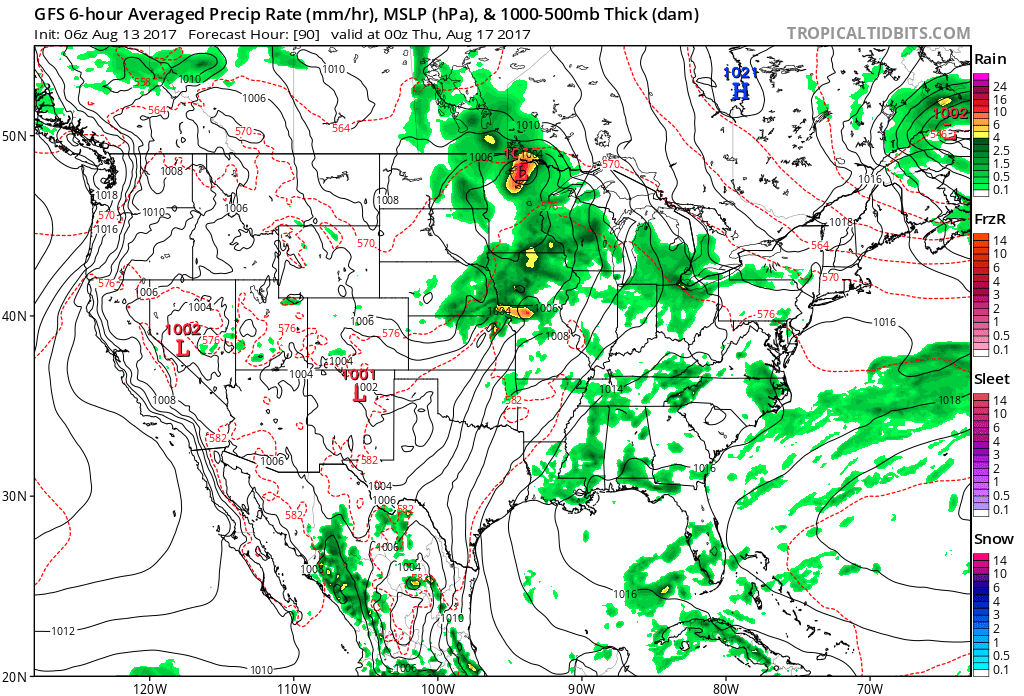
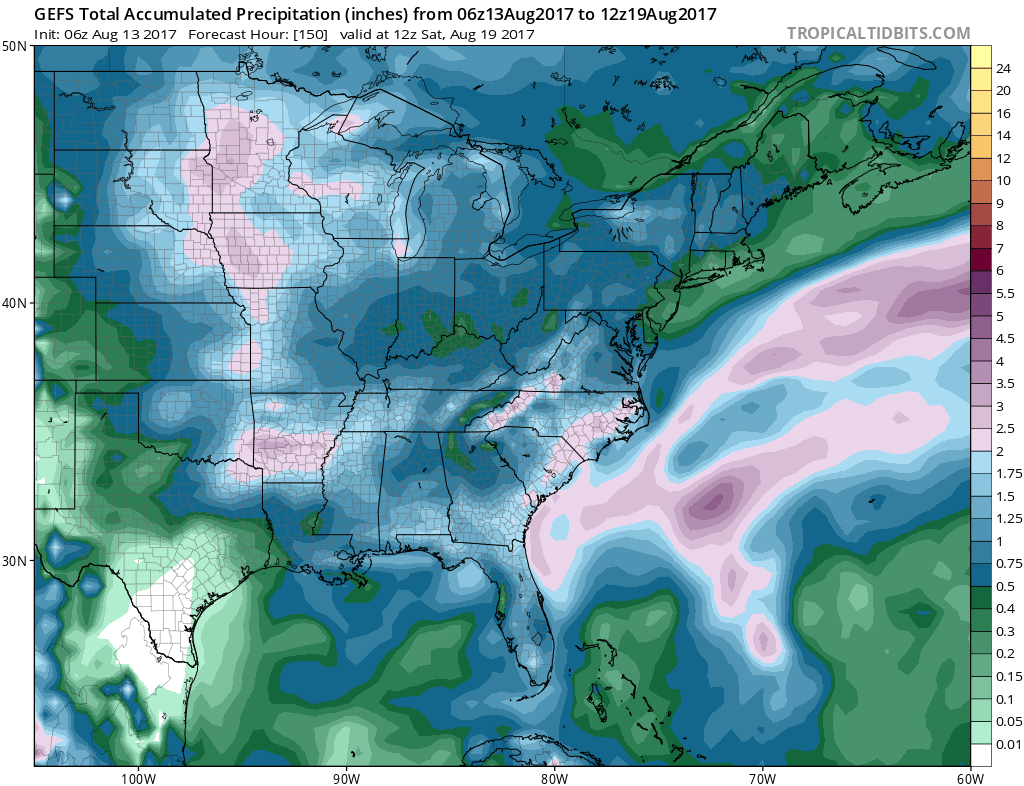
Rainfall totals should fall in the 0.50″ to 1.00″ range for most, but there will be a few folks who pick up locally heavier amounts the second half of the week.
 As of now, we think the cold front will pass Friday evening and set-up another pleasant weekend with seasonable temperatures. The stretch of gorgeous August weekends’ appears to roll along.
What else we’re working on: With us about to flip the page to the second half of August, thoughts continue to shift to the upcoming meteorological fall and winter seasons ahead. Early data paints an “intriguing” look, complete with high latitude blocking and neutral ENSO look. Winter enthusiasts should like the look overall as this will have an impact on the prospects of cold getting going earlier than recent years past. Much more on fall and winter in the weeks ahead… The other big item of interest has to do with the tropics. A new disturbance will traverse the MDR (Main Development Region) this week and given the overall upper level pattern over the CONUS, we’ll have to keep an eye on the East Coast Weeks 2-3.
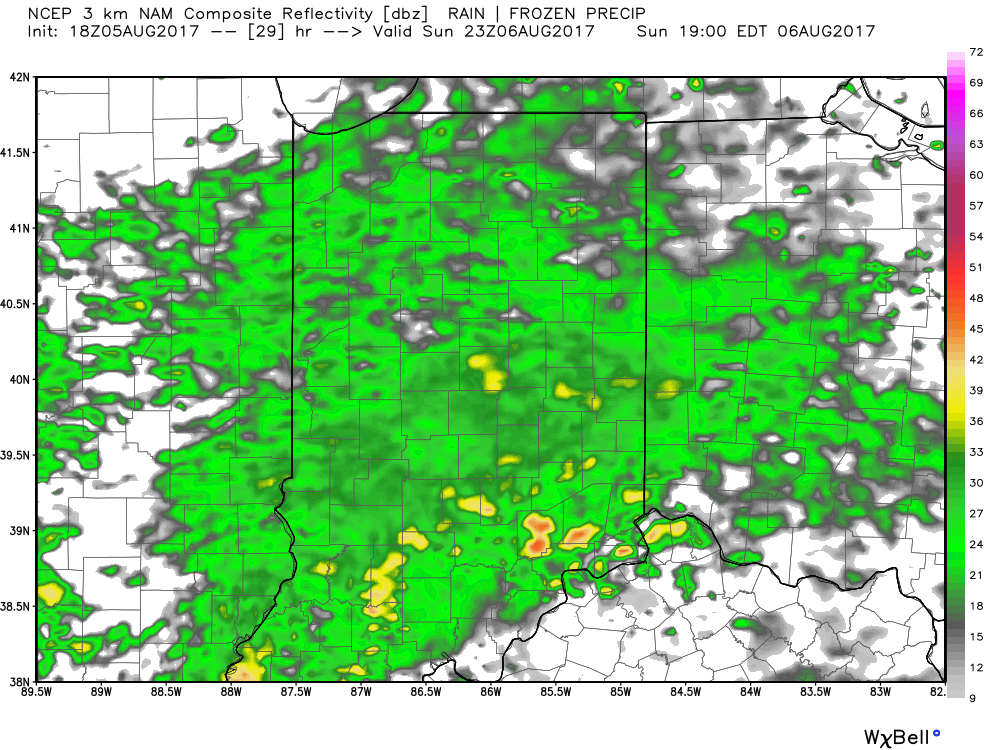
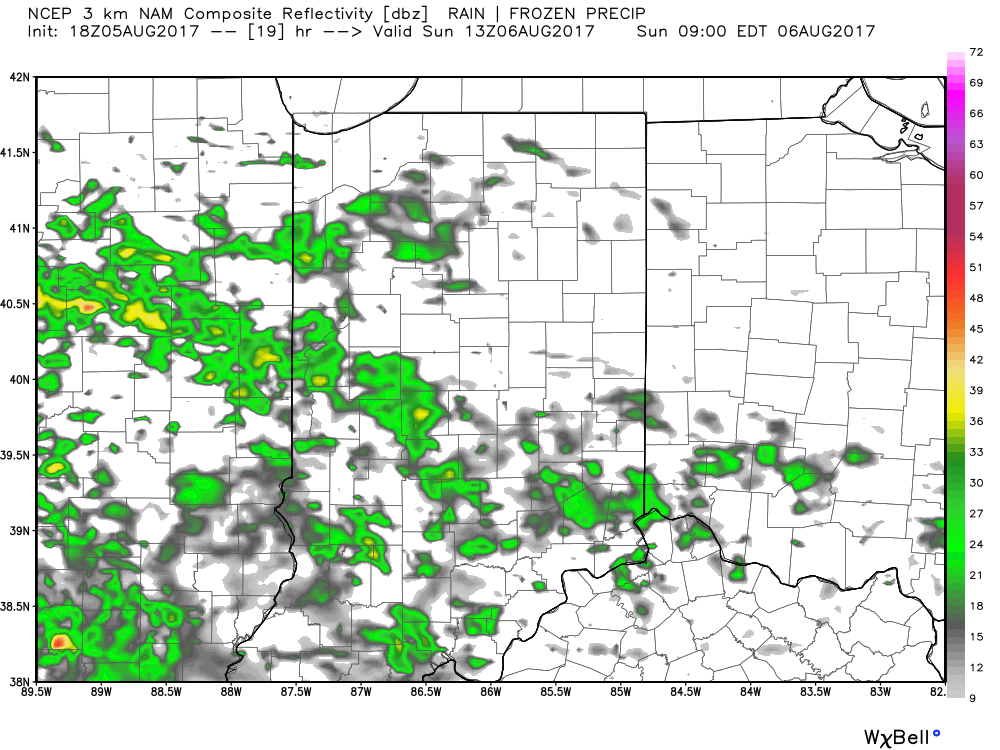 As we progress into the afternoon and evening hours, showers will expand in coverage and intensity to more of a widespread, uniform type rain event. A good ole-fashioned soaking appears to be in the works Sunday afternoon-evening.
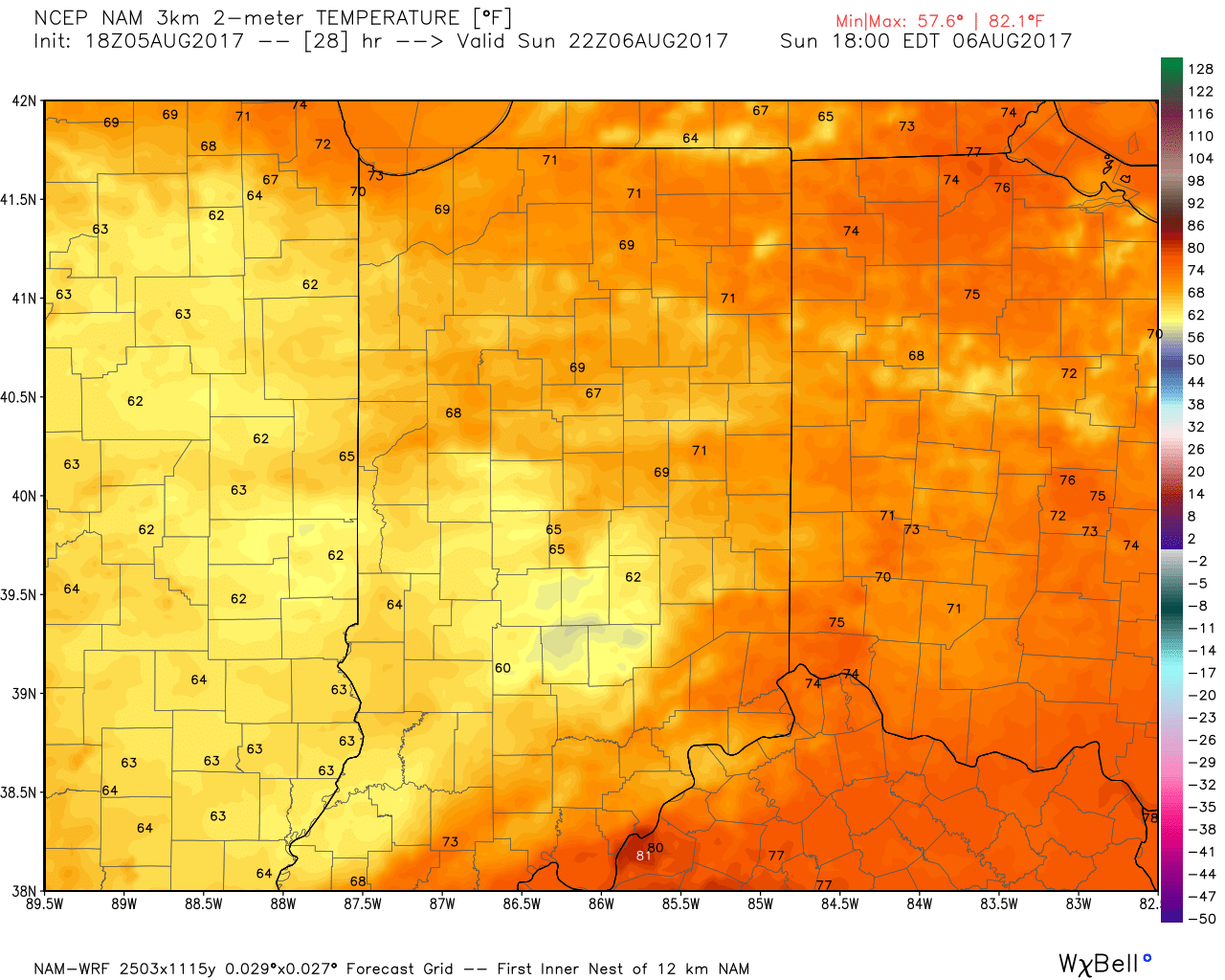
 When you factor in an already established unseasonably cool pattern with our approaching rain event then you have the makings for another early October-like feel Sunday that will feature temperatures struggling to make it out of the 60s for highs.
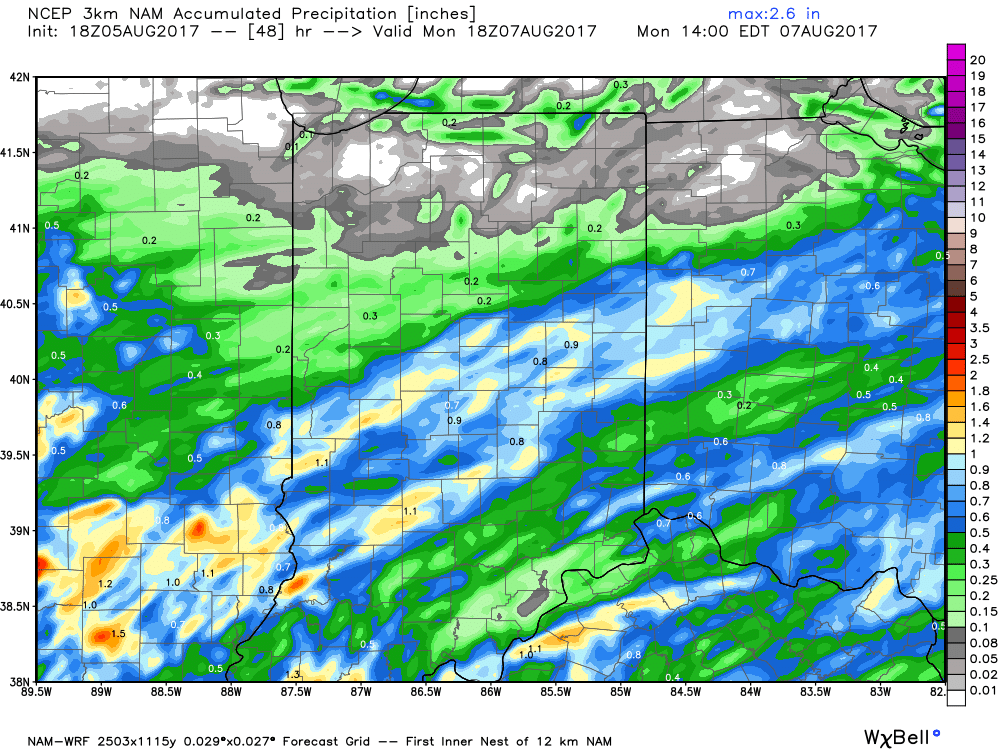
 By the time the rain comes to an end Monday morning we think most central IN gauges can expect to pick up 0.75″ – 1″ of rain, but there will be locally heavier amounts under any thunderstorm that develops. Drier weather will return Monday afternoon and continue through the middle of next week.
 .
.