Category: Monthly Outlook

February 2020 Outlook: Watching The Battle Play Out…

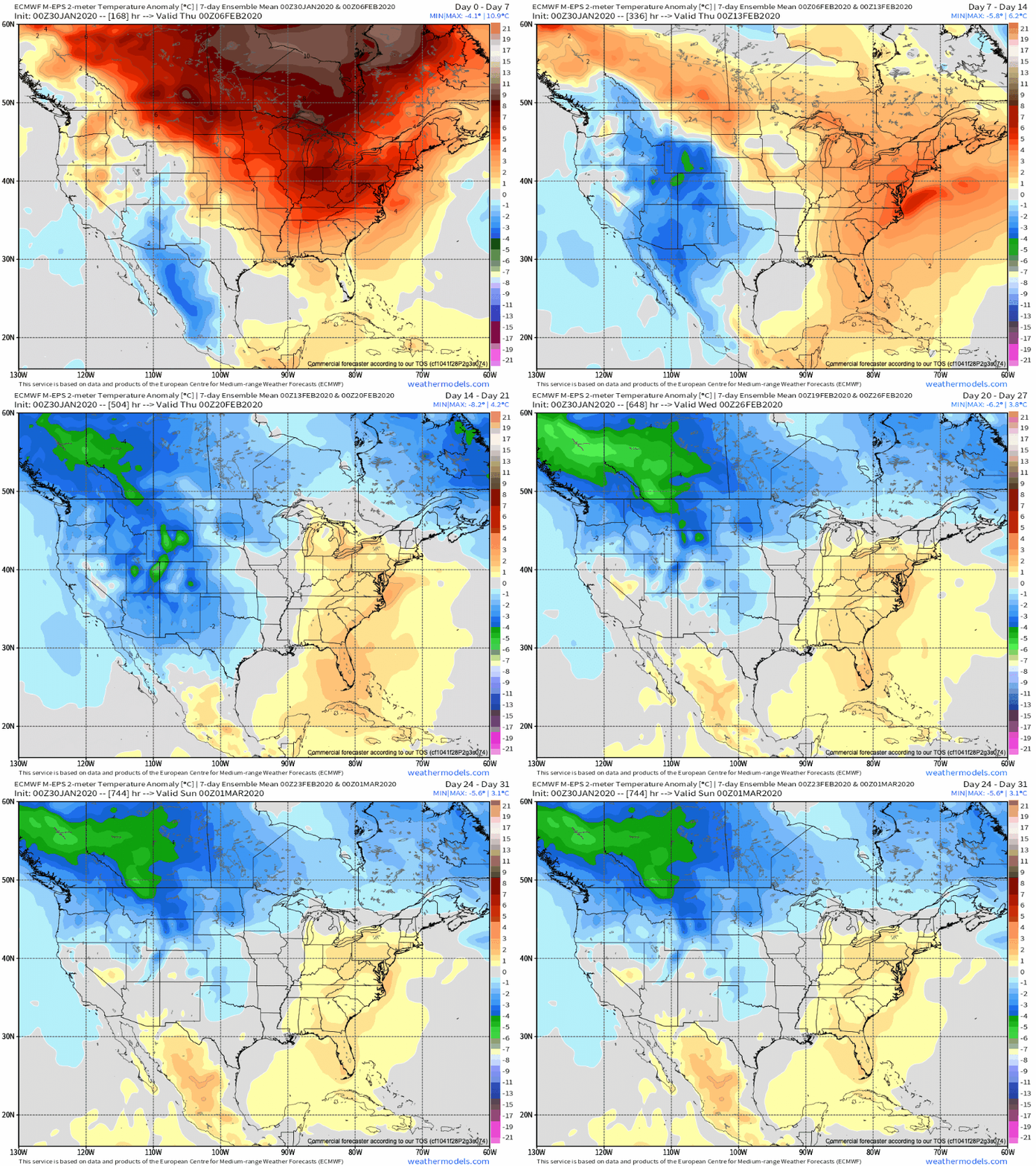
Before we dig into the reasoning behind our February forecast, here’s what a few of the longer range models are suggesting the month will provide:

JMA
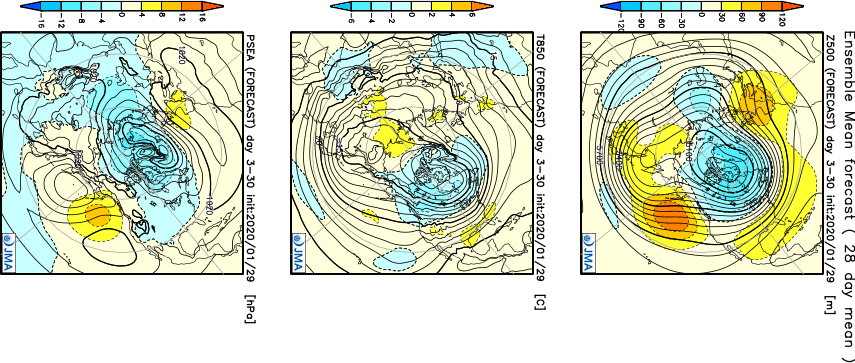
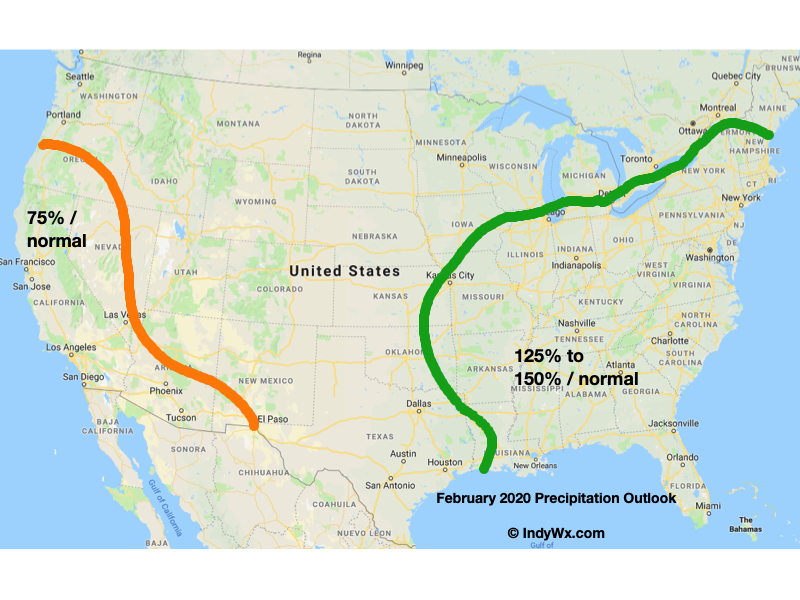
The JMA keeps the most persistent warmth confined to the southern and southeastern regions. The model would suggest our immediate area will be in a “battle zone,” including heavier than normal precipitation for the month.

CFSv2

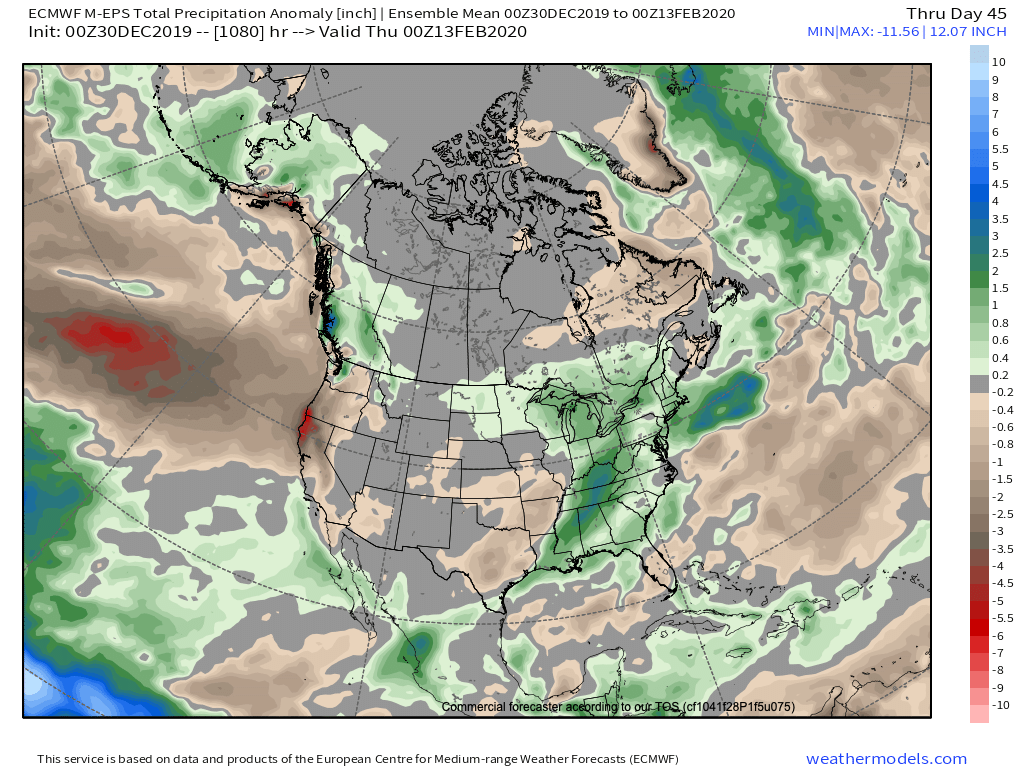
The CFSv2 is bullish on a warm eastern half of the country with cold confined to the west. The modeled mean southwesterly air flow would result in well above average precipitation across our region, including an active storm track.

European Weeklies

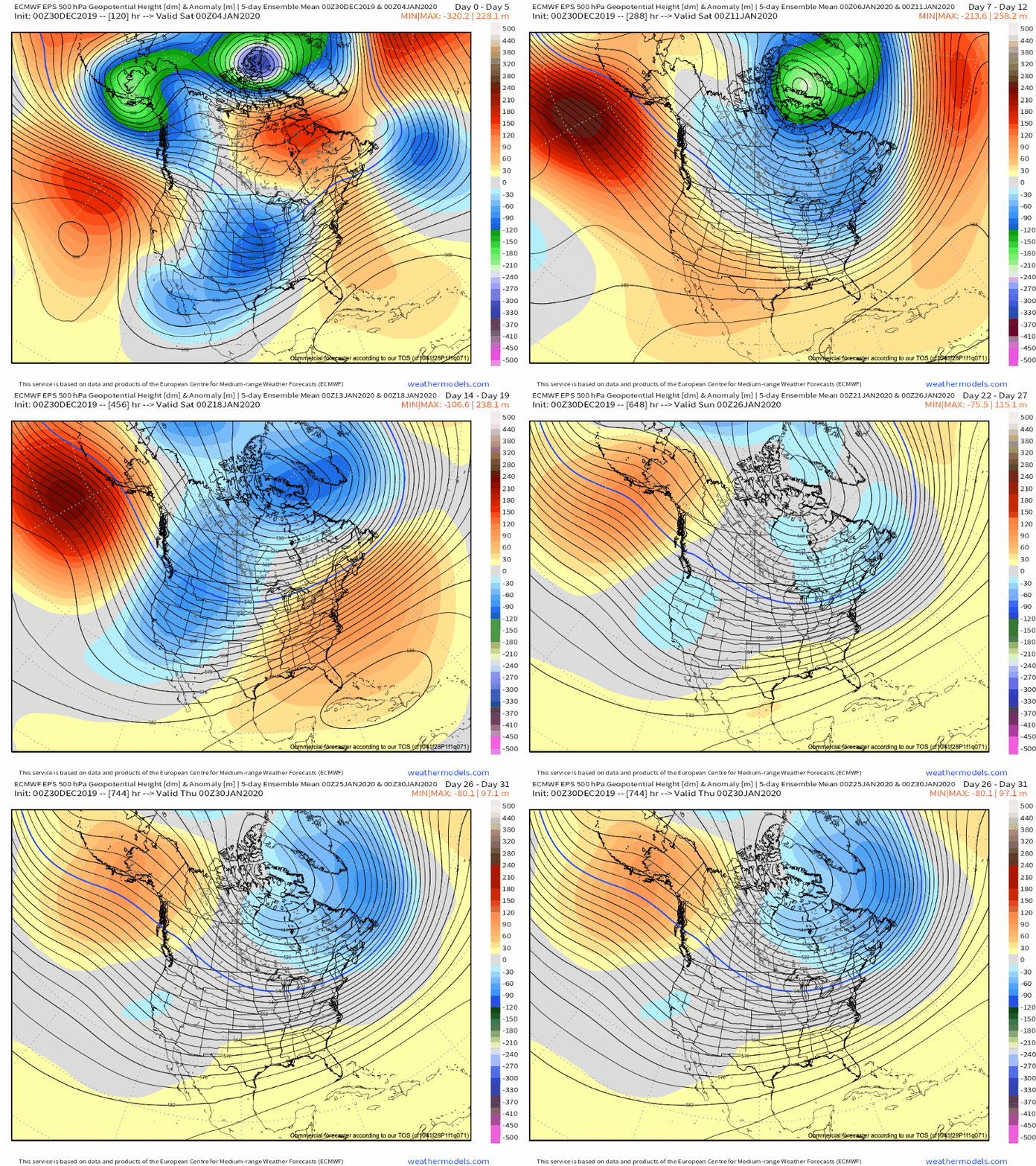
Similar to the data above, the new European Weeklies show the most persistent cold west with warmth dominating the southeast and at times into the Ohio Valley for the month of February.

February features “average” temperatures rising from a high of 37° on the 1st to 45° on the 29th. Average lows rise from 21° to 28° by the end of the month. IND averages 2.32″ of rainfall and 6.5″ of snow during the month.

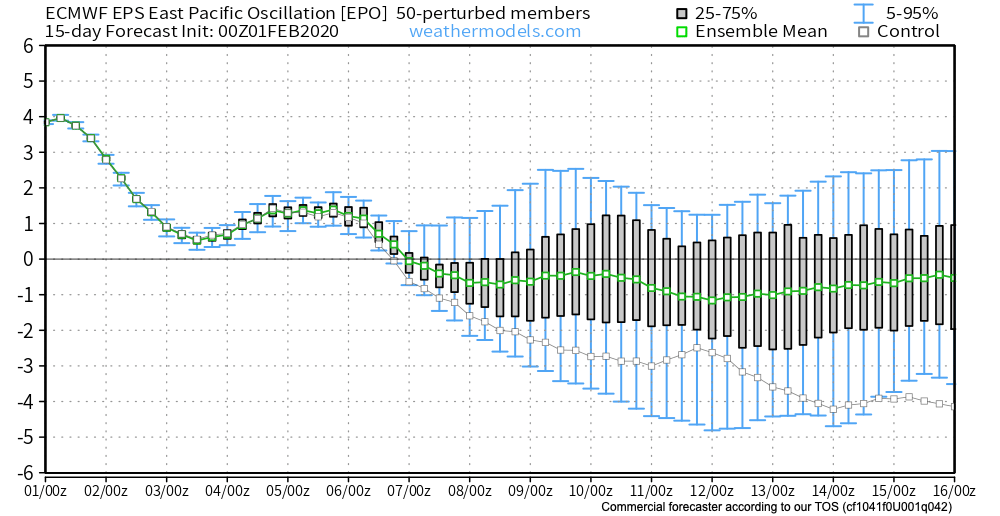
As we look at February 2020, we have an interesting battle on our hands. Latest EPO trends are negative and that is a cold signal, potentially significantly so if the current trends continue. That said, it’s also important to note that many times throughout January, medium to long range negative EPO trends didn’t materialize, and, accordingly, warmth dominated.
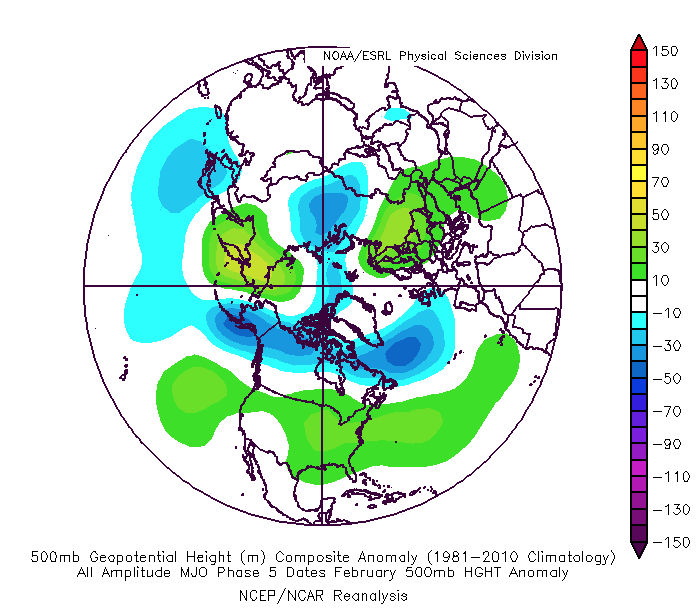
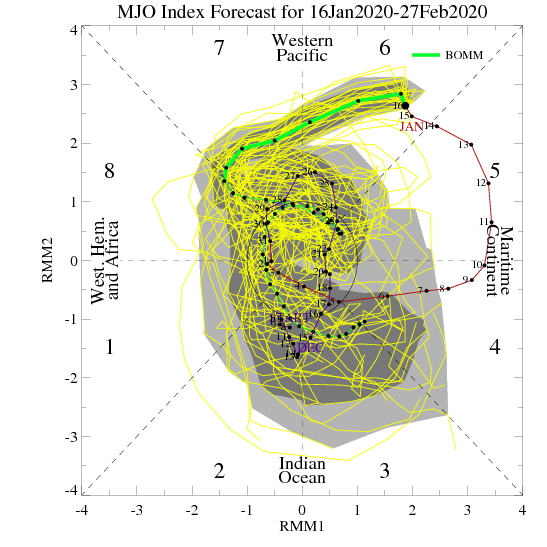
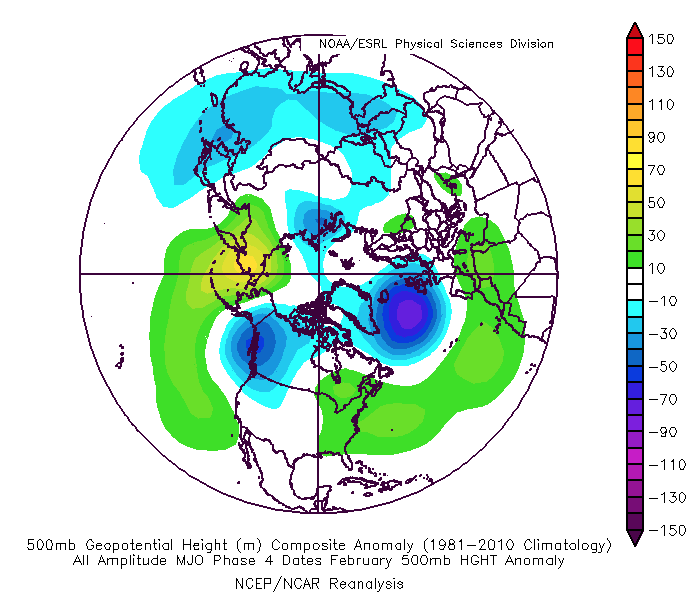
To make things more complicated, the latest MJO plots are bullish on warmth persisting, overall, for the the better part of the month. Note the trends to take things back into Phases 4-5. This would promote the tendency towards more of a persistent eastern ridge (similar to what the European and CFSv2 show above).

While our forecast will show a significantly warmer than average month, we also believe snowfall will run near average. The reason has to do with a battle ground that we anticipate sets up across the Ohio Valley throughout the majority of the month. At times, even marginally cold air will create challenges. Case in point will be the middle and latter part of this upcoming week. This will likely set the tone for the month ahead: warmer than average with well above average precipitation/ near normal snowfall. The other concern has to do with the threat of sleet/ freezing rain events. Late winter and early spring can prove to be troublesome with the kind of ‘mean’ pattern that lies ahead as shallow cold air at the surface undercuts. This will be something to keep close tabs on moving forward.

IndyWx.com February Outlook…

Permanent link to this article: https://indywx.com/february-2020-outlook-watching-the-battle-play-out/

January Review; Looking Ahead To A Busy Week In Front Of Us…

You must be logged in to view this content. Click Here to become a member of IndyWX.com for full access.  Already a member of IndyWx.com All-Access?  Log-in here.

Permanent link to this article: https://indywx.com/january-review-looking-ahead-to-a-busy-week-in-front-of-us/

Short-Term Update On Saturday’s Snow; Long Range Look Into February…

You must be logged in to view this content. Click Here to become a member of IndyWX.com for full access.  Already a member of IndyWx.com All-Access?  Log-in here.

Permanent link to this article: https://indywx.com/short-term-update-on-saturdays-snow-long-range-look-into-february/

Catching Up On A Tuesday Evening And Looking Ahead…

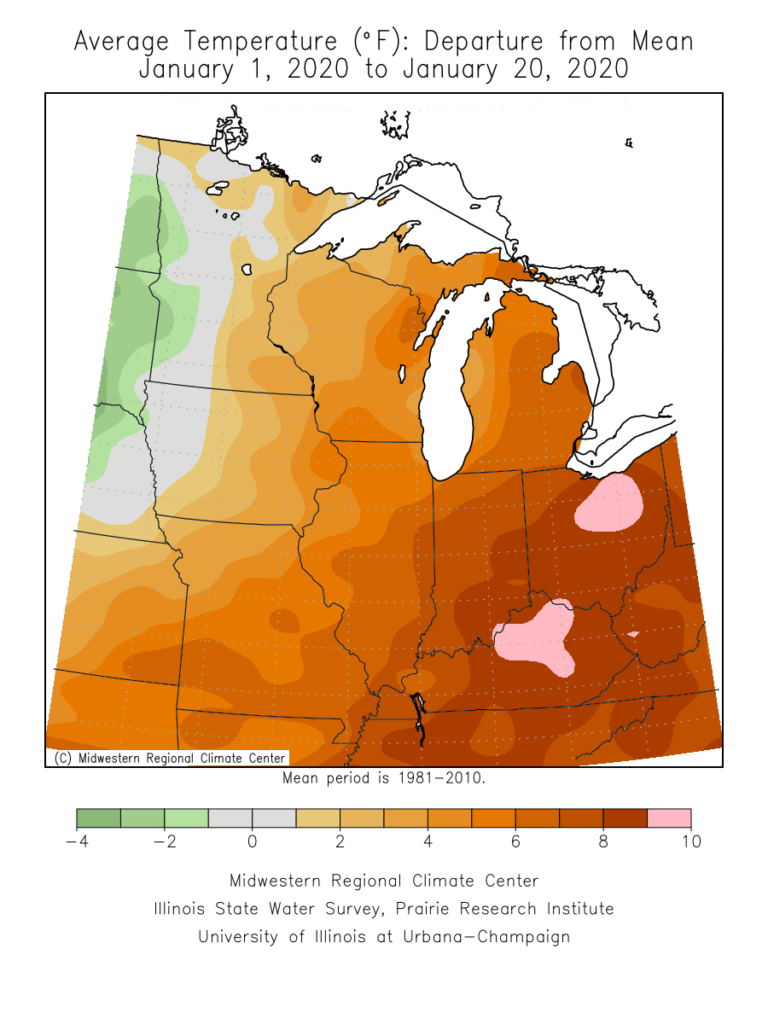
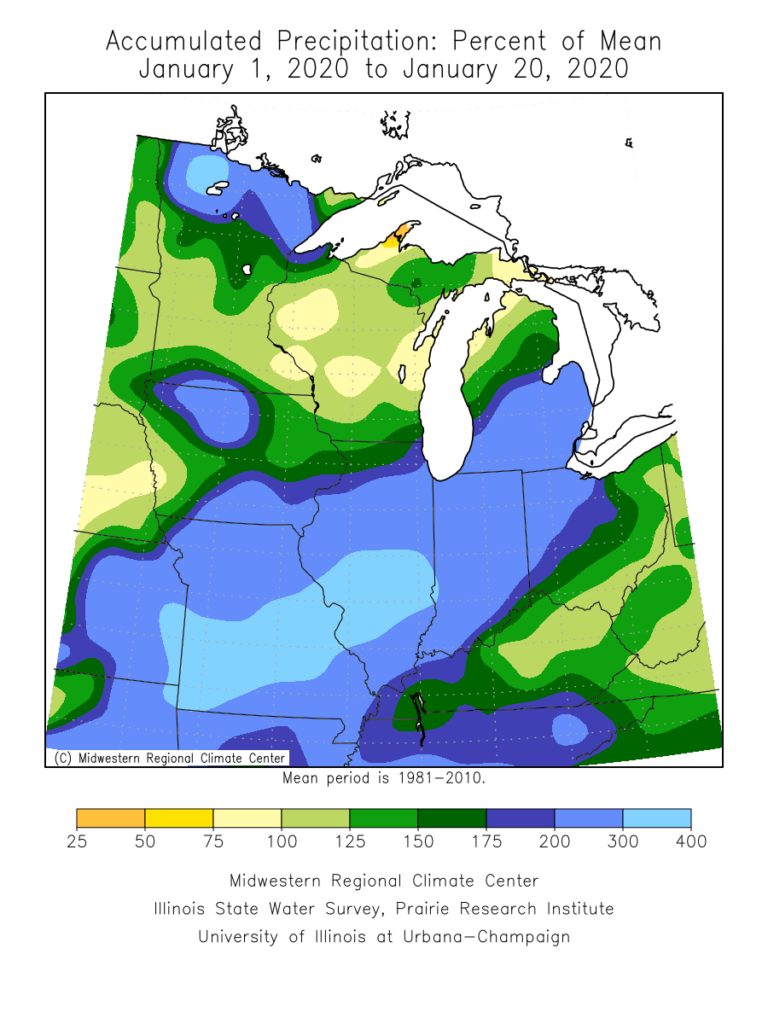
January is flying by! With only 10 days left in the month, Indianapolis is running a whopping 8.2° above normal along with more than 3″ above normal in the precipitation department (unfortunately for snow lovers, this excess moisture has fallen primarily as rain, as IND is running a deficit of 5.2″ in the snowfall department).

January month-to-date temperature anomalies, courtesy of the Midwestern Regional Climate Center
January month-to-date precipitation anomalies, courtesy of the Midwestern Regional Climate Center

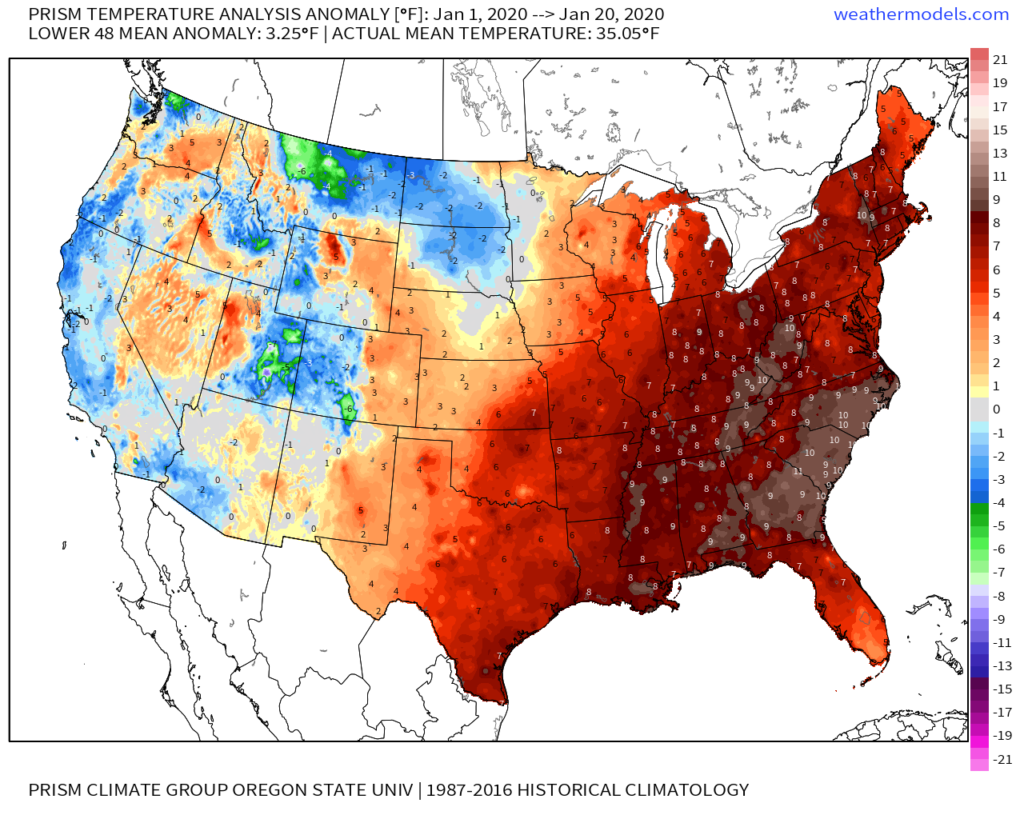
On a broader scale, here’s a look at the current month-to-date temperature anomalies for the Lower 48 as a whole:

January Lower 48 month-to-date ‘mean’ temperature anomalies, courtesy of weathermodels.com

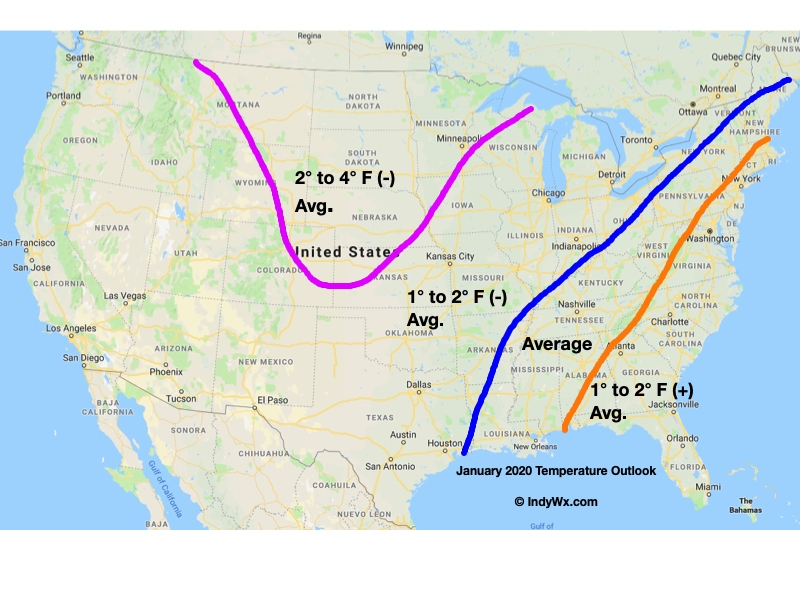
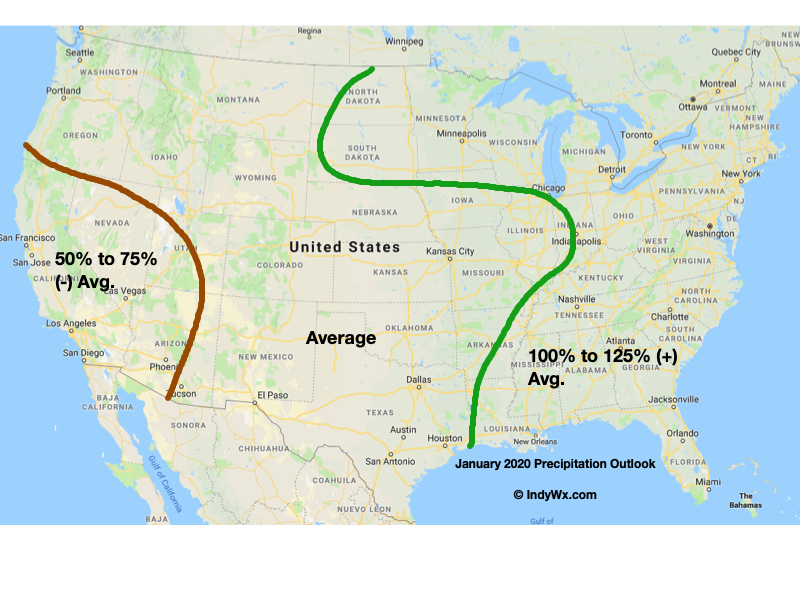
As a refresher, our January forecast looked like this:

The baseline of this thinking had to do with the idea we had that the MJO would roll out of the warm phases (5 and 6) and strongly into the colder phases after mid-month. Secondly, the other driver was the thought that the current SST configuration in the north Pacific would “force” a negative EPO as the winter season matured.

While the MJO did, indeed, rumble out of the warmer phases just after mid-month, the EPO has not cooperated. Furthermore, instead of the MJO tracking into Phases 8, 1, and 2, it appears it wants to go into the “null” phase to figure out its ultimate destination for the 2nd half of winter (this will be key with Feb. and March). While this doesn’t necessarily support warmth, it doesn’t offer enough ammo to fight the warm signal from the strongly positive EPO.

Now that we’re beginning to turn the page to the 2nd half of winter, there are other items to begin paying closer attention to. In addition to the EPO and MJO, some of these features include the AO, NAO, and PNA. With that said, to drive more of a consistent colder than normal theme, we need to get the EPO at least into the neutral range as some of the other ingredients noted above transition into more favorable colder phases. With a strongly positive EPO, it’ll be tough to sustain well below average temperatures.

With all of that said, all hope is not lost for winter lovers. Climatology speaking, we’re in the coldest time of the year. Even in “marginally” cold patterns, or even “warm” patterns this time of year, wintry issues can create headaches. Secondly, it’s worth paying close attention to the MJO over the next couple of weeks as some of the data wants to take things out of the null phase and transition towards the traditionally colder phases of 8, 1, 2, and 3.

As it is, the next couple of weeks should present a fairly active storm track across the region. In the face of what should truly be a “torch” pattern, the saving grace (at least for fans of winter weather) has to do with the strong Hudson Bay ridge and tendency this kind of pattern has to force stormy times underneath. While far from a “slam dunk,” these kind of patterns can produce- even in the face of a strong positive EPO.

If you had to choose, would you rather have a bitterly cold and dry regime or seasonably mild with at least being on the playing field for wintry mischief over the next couple of weeks?

More in the AM, friends. Make it a relaxing evening! 🙂

Permanent link to this article: https://indywx.com/catching-up-on-a-tuesday-evening-and-looking-ahead/

Important To Know What Lever To Pull And When…

As another year comes to a close and the winter pattern begins to “mature,” we thought we’d do a little rambling…

This evening’s rambles have to do with the variety of “drivers” that at times like to take control of our weather pattern. You hear us use terms like the MJO, EPO, AO, PNA, and NAO (amongst others) often, but at times, these various pattern drivers can have more impact than others, and at varied times of the year.

Traditionally, if the MJO (Madden Julian Oscillation) is highly amplified, that’s going to serve as the basis of our medium or longer range forecasts. However, if the MJO is in the null phase, other teleconnections can take control of the wheel. Sea-surface temperature configuration can give hints to the way these elements may behave during the season(s) ahead, but we caution each respective season takes on a flavor unique to it’s own. That’s what makes this business so fun, challenging, and, at times, frustrating. 🙂

It’s also important to understand when the ingredients noted above have the greatest impact on our immediate weather. We love to lean more heavily towards the NAO and AO mid-to-late winter into the spring, for instance. Case in point, a negative EPO and positive PNA can quickly trump a positive AO/ NAO this time of year, and vice-versa.

In the event you didn’t have a chance to see it Sunday, we released our January Outlook. We have a very stormy month outlined that includes cold “overwhelming” things as the month progresses. A lot of this has to do with the fact we think we see a “shake-up” with the MJO out of the warm phases and into the traditional cold phases of 8,1, and 2 taking shape during the 2nd half of the month. Additionally, we continue to believe the favorable north Pacific sea surface temperature configuration (for a cold Great Lakes and OHV) will begin to force the negative EPO/ positive PNA.

The NEW European Weeklies show the transitional time of things through the 1st half of the month, but note the building more persistent NW NA ridge during the 2nd half of the month and corresponding reflection of an eastern trough. Should the MJO be heading into Phase 8 around this time frame (and we think it will), this trough will likely correct stronger in future updates for late month.

The model sees the stormy time of things through the month and into February. (Important to note that even “warm” months this time of year can also feature above normal snow. Just see this December- nearly an inch above normal for the month). As things stand now, we see multiple opportunities for snow as January gets underway, including Saturday PM, and again Tuesday night into Wednesday.

Make it a great evening! We’ll be back early in the morning with a fresh video update.

Permanent link to this article: https://indywx.com/important-to-know-what-lever-to-pull-and-when/