Mid-December “Relaxation” Coming, But Winter Set To Roar Back With Authority Around The Holidays And Beyond…
Since this cold pattern took over in mid-October, I thought we’d see a “pull back” of sorts develop at some point. Initially, the thinking was this would come in the middle parts of November, but that never developed. Fast forward to where we are now, and it still appears a relaxation of the cold will develop- albeit much later than originally anticipated. Please understand this doesn’t mean there can’t be cold days or, for that matter, even wintry “mischief.” What it does mean is that the sustained significantly colder than normal air should reverse to seasonable levels and above normal conditions for a time around mid-month.
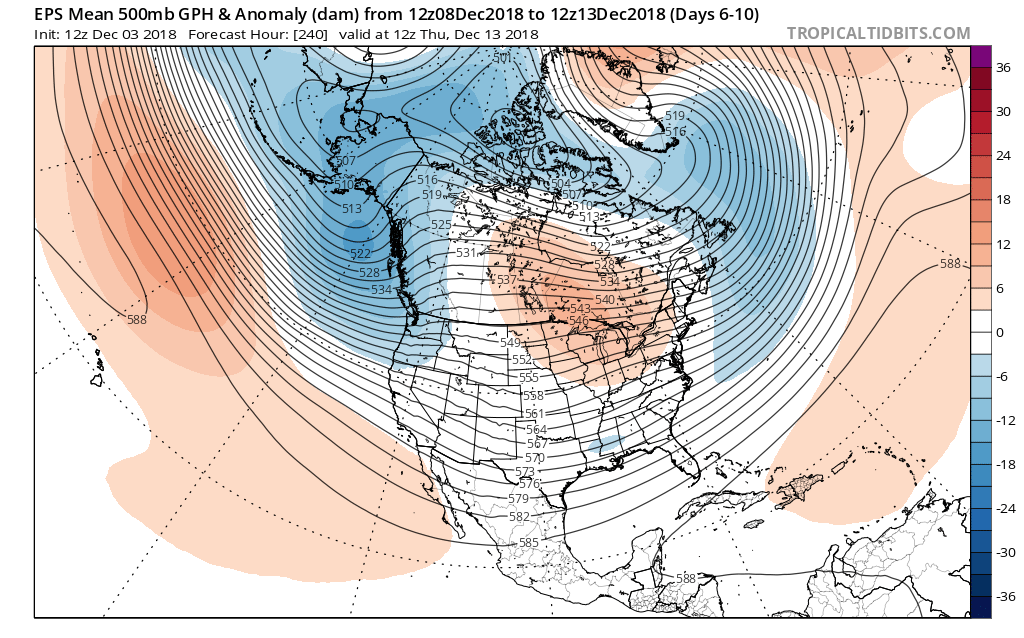
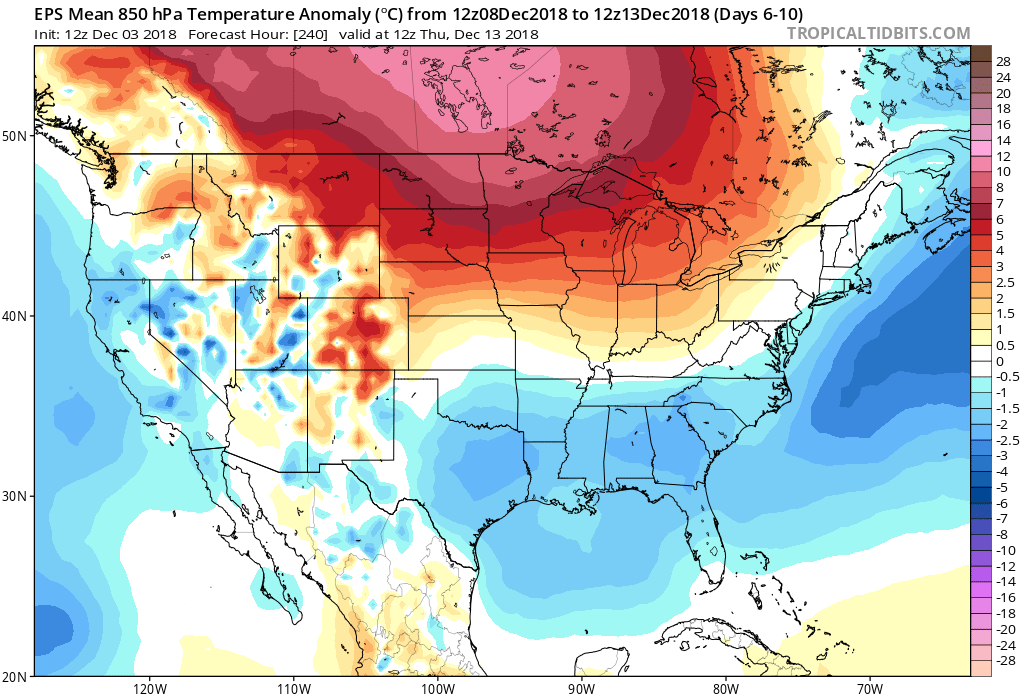
With that said, we’re as fired up as we’ve been for what we continue to think will be a very cold winter and, at times, snowy- as outlined in our winter outlook published last month. In fact, the latest European Weeklies in this evening suggest winter roars back with authority around Christmastime, continuing deep into the New Year period. Analog data and other key components (some of which were outlined in our winter outlook) would back up this idea. Taken verbatim, the new European Weeklies like the idea of “coast-to-coast” cold developing for the holidays this year. While I’m not ready to go that far just yet (still think the mean ridge will set-up shop in a manner to keep the northwest balmy, compared to normal), I do like the idea of a cold and active period returning late December for our part of the country…
Anyone else dreaming of a white Christmas (for the 2nd year in a row)?!
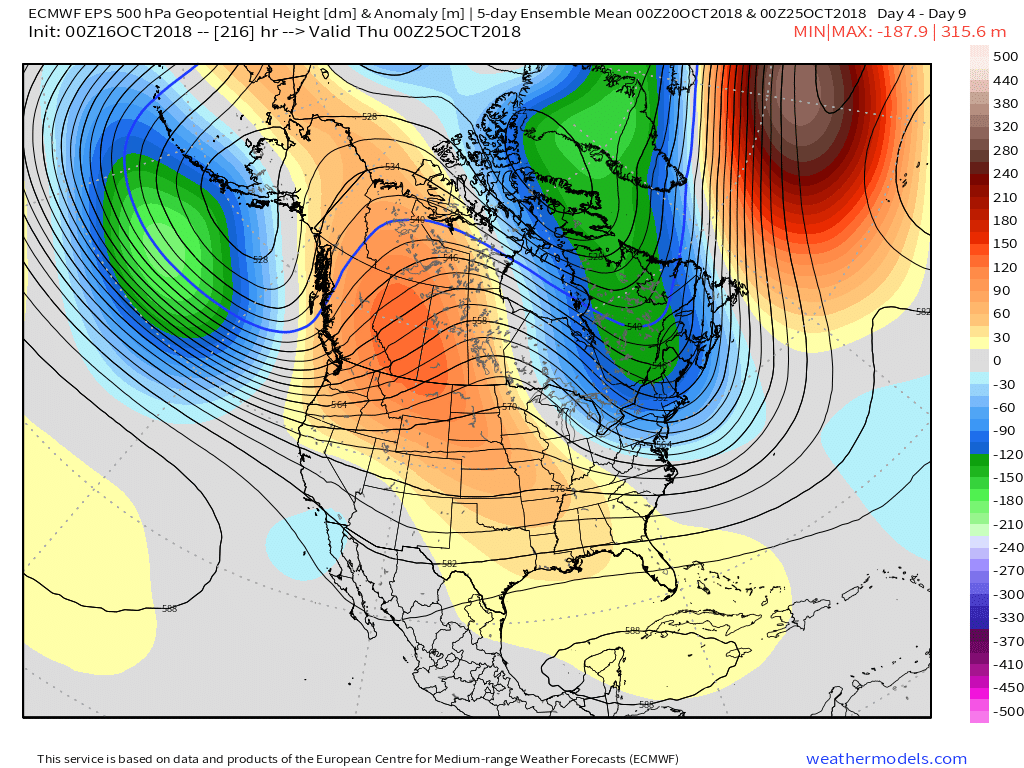


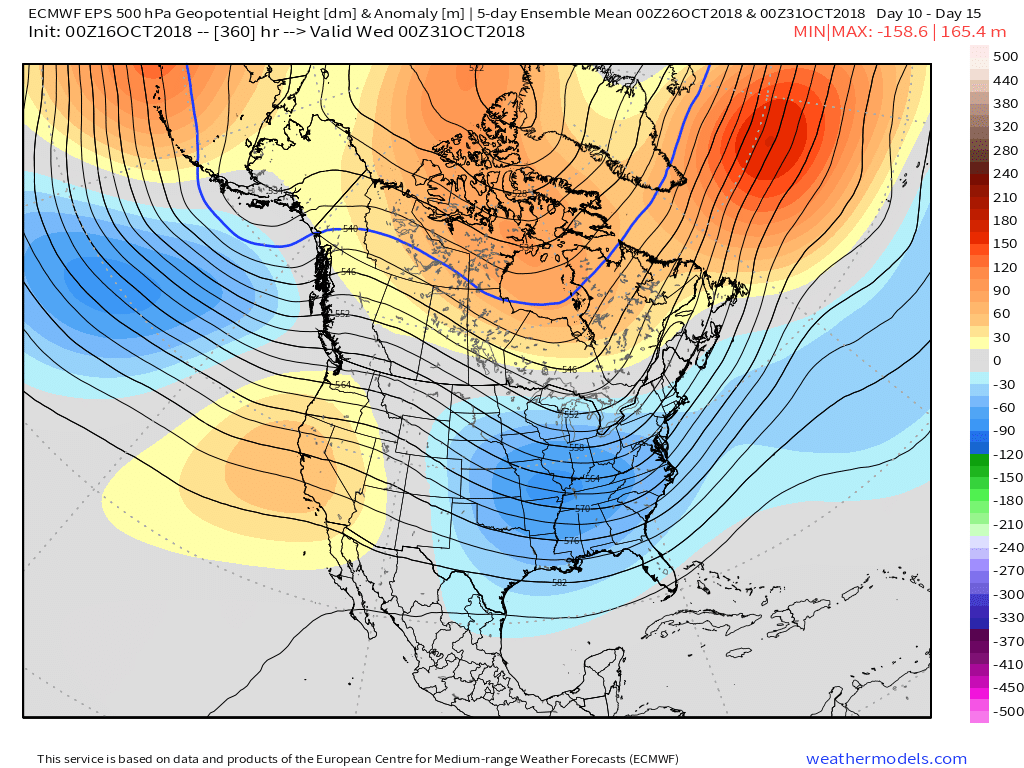
 A series of cold fronts will sweep through the Ohio Valley over the upcoming couple of weeks and each will likely feature progressively cooler conditions.
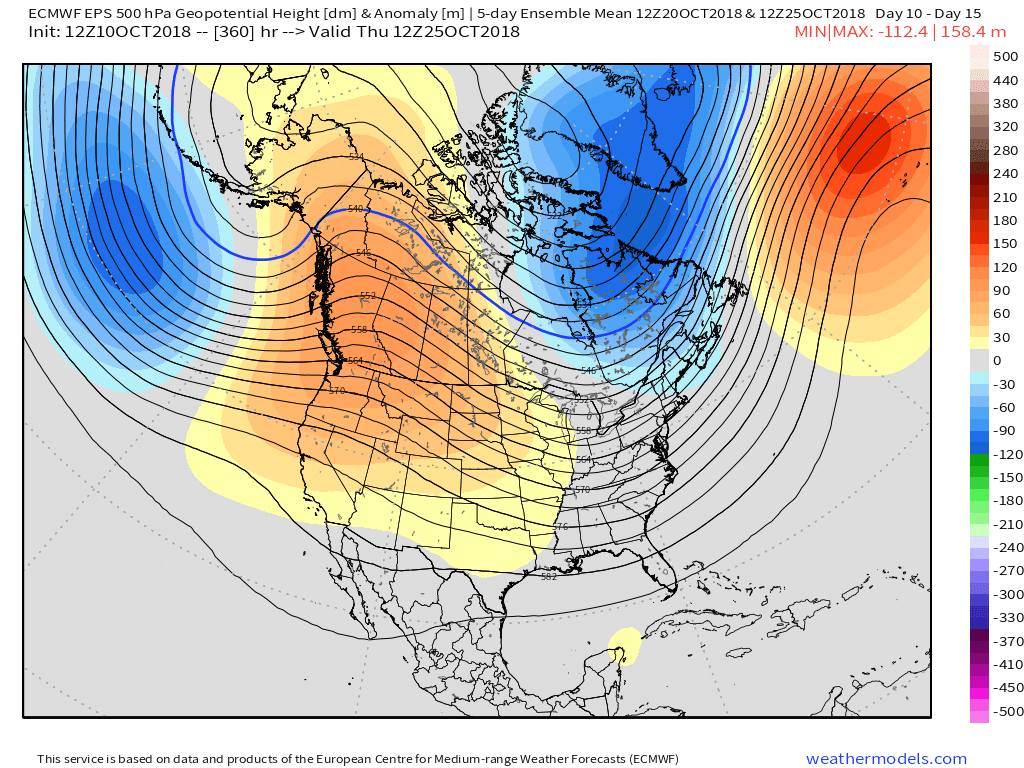 At the surface, we see the cool pattern taking hold into not only the short-term, but the 10-15 day range, as well.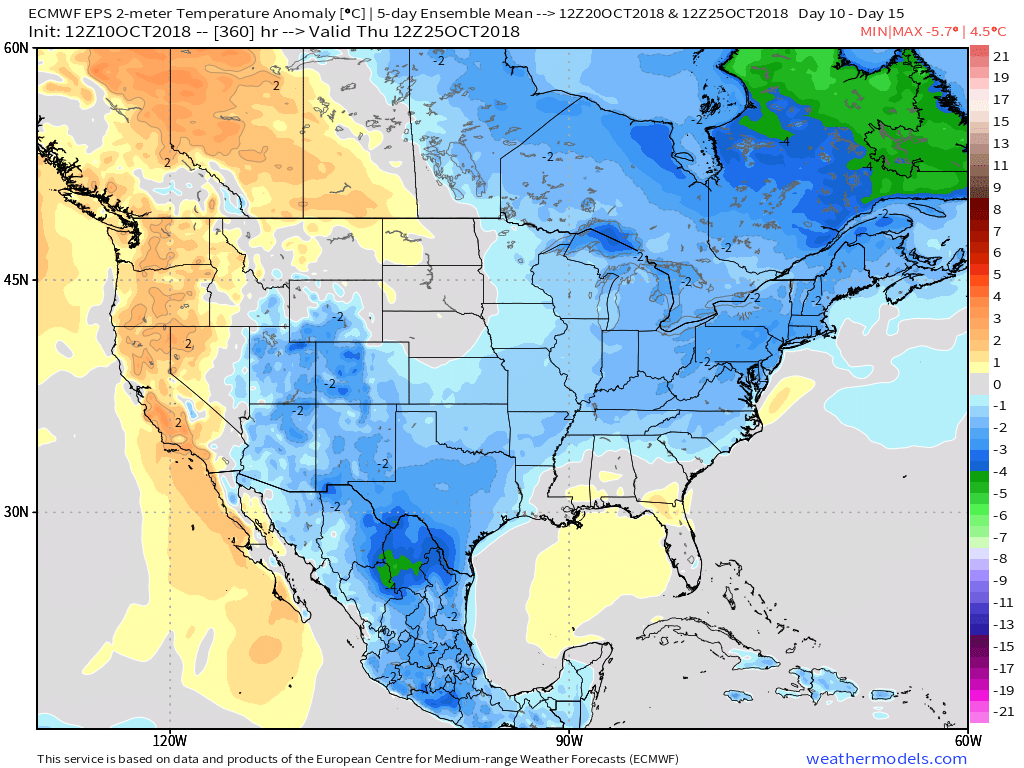
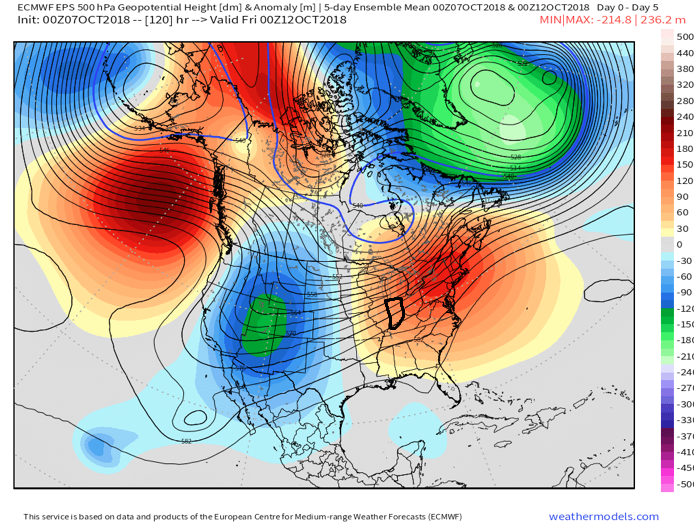 II. TD 14 will strengthen into Tropical Storm Michael later today and eventually a hurricane before making landfall along the Florida panhandle during the middle of the week. The remnant moisture of Michael will then race northeast and impact the flood-ravaged Carolinas during the latter stages of the work week.
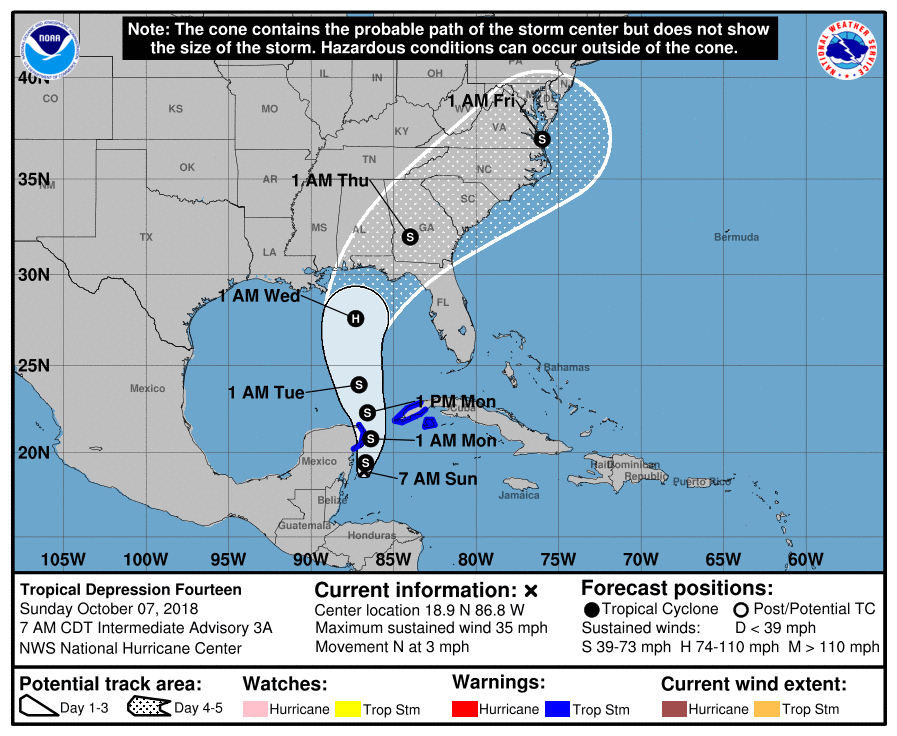 III. As Michael’s remnant moisture tracks northeast into the Carolinas, a strong cold front will sweep through the Mid West and Ohio Valley. Better chances of organized showers and thunderstorms will arrive ahead of the front Wednesday. Once the front passes, a dramatic wind shift to the northwest will push a MUCH cooler and drier air mass into the region.
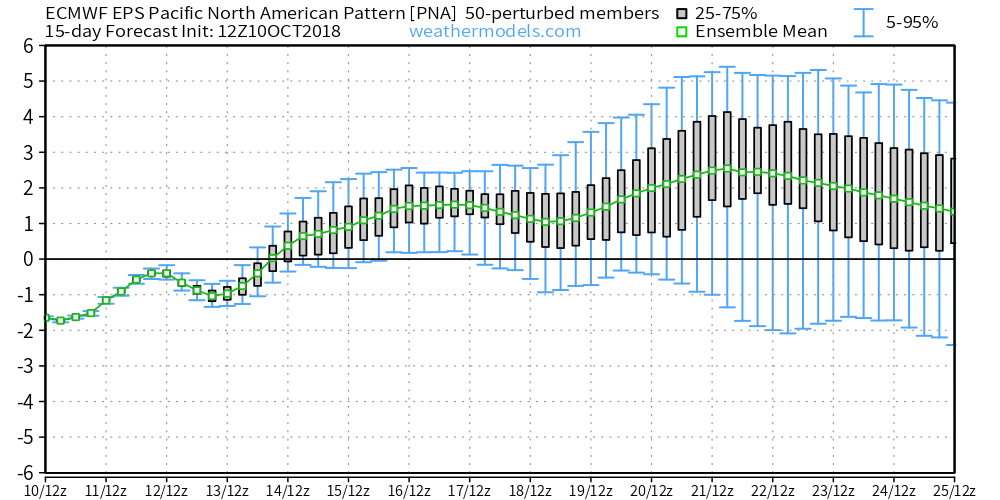
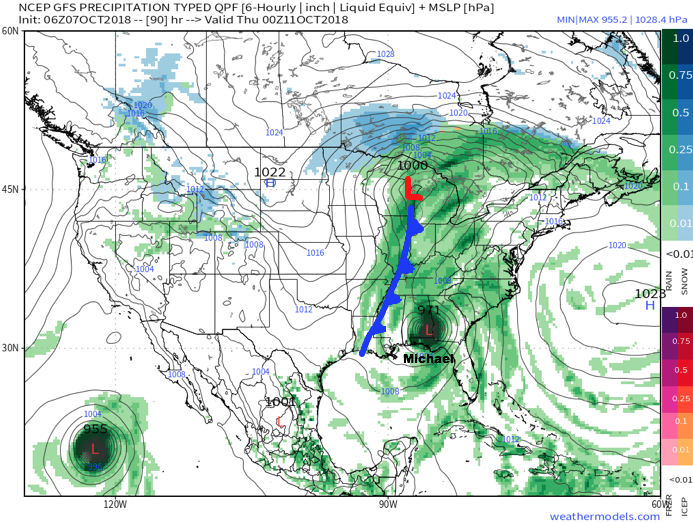 IV. We note the PNA (Pacific North America pattern) is flipping to a positive state and that will drive a more sustained period of colder air during the medium and longer range period- or mid and late October.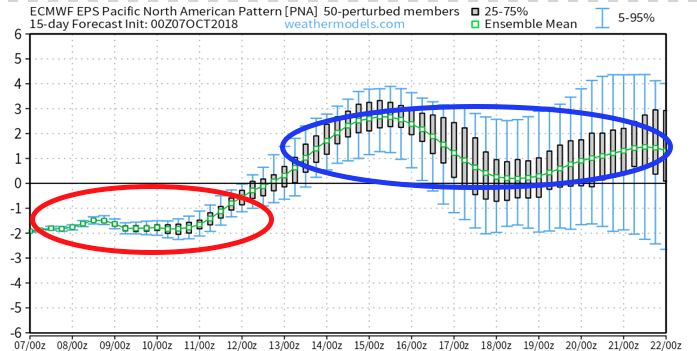
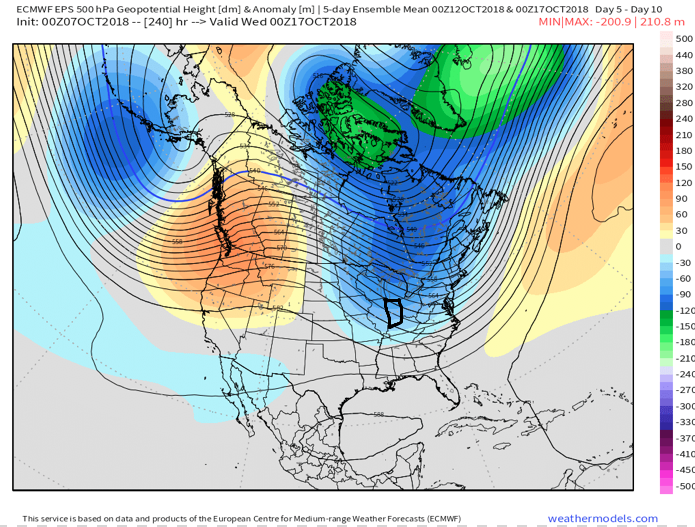
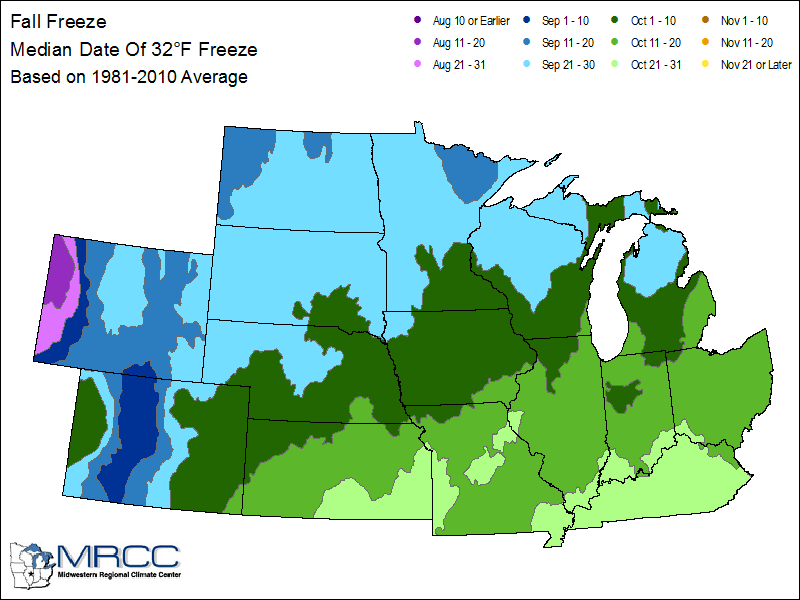
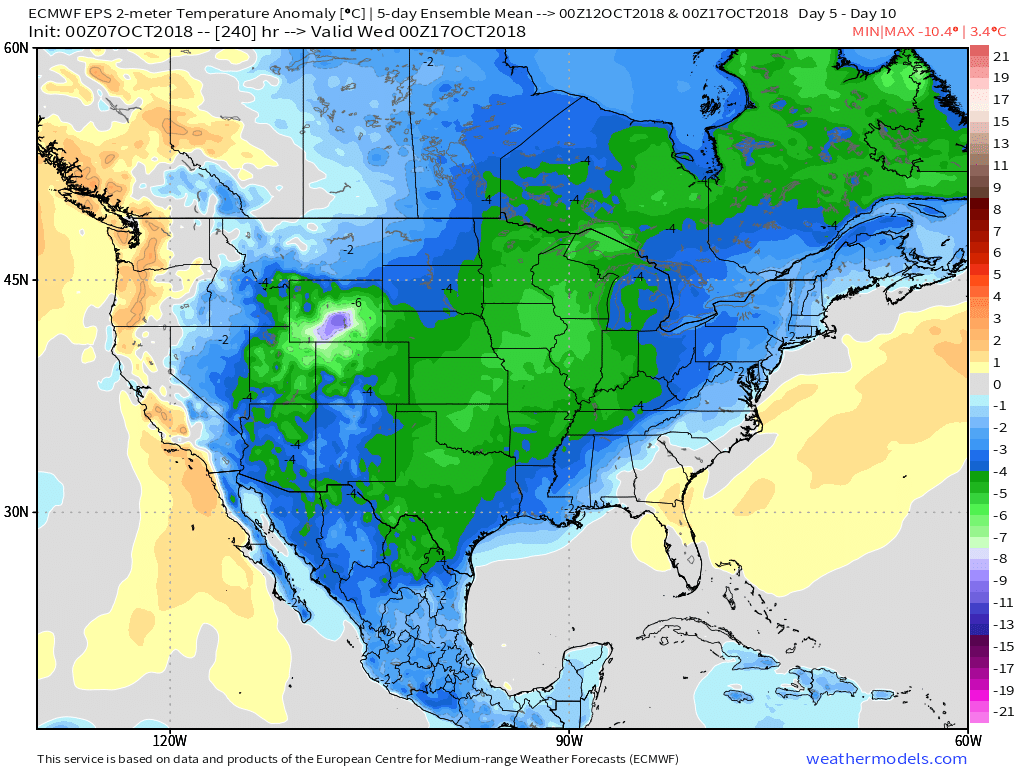 The air will grow cold enough to support the potential of frost during the 5-10 day period on at least a couple of nights. Additionally, reinforcing chilly air may ignite the lake effect to our north and northeast during Week 2… “Times, they are a changing!”