2021-2022 IndyWx.com Winter Outlook…

Updated 11.03.21 @ 9:50p

Quick-Hitter Highlights of the ’21-’22 Winter season:

I. Expecting a fast, cold, and wintry start to the season.

II. Active times continue, but expecting a pull back in the cold mid and late winter.

III. Overall, expecting a slightly warmer than normal winter, locally.

IV. Forecasting 20″ of snow at IND this winter (first flake to last flake- average is 25.5″).

A weak La Nina is expected to dominate headlines, globally, this winter. We know no Nina, Nino, or La Nada event is going to behave identical but we can look back at the archives and pull together analogs to perhaps get some sort of indication of what the coming months will dish up!

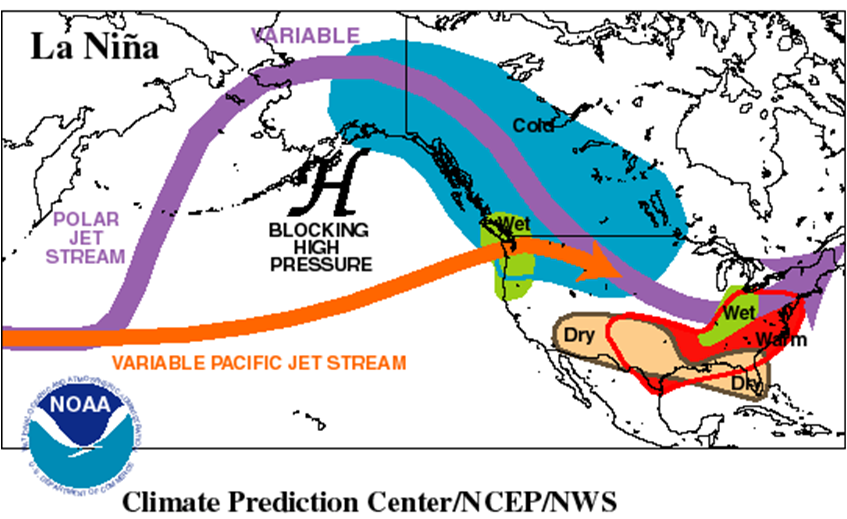
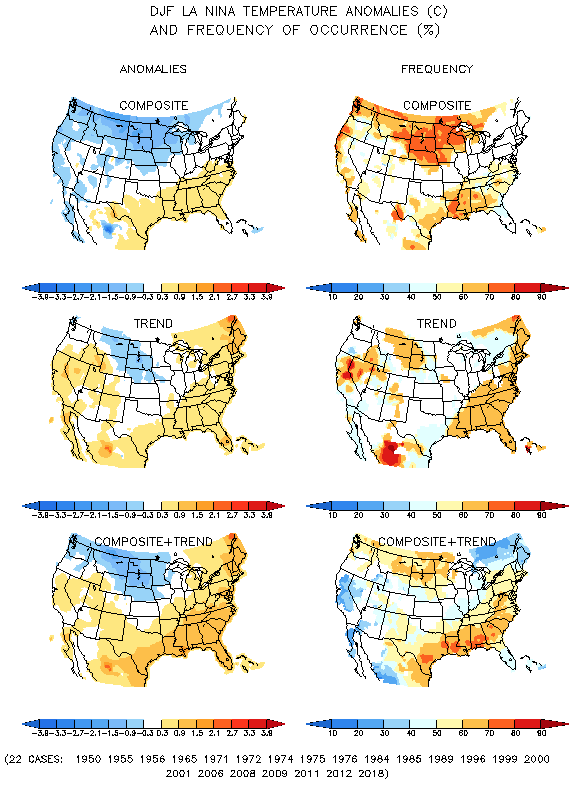
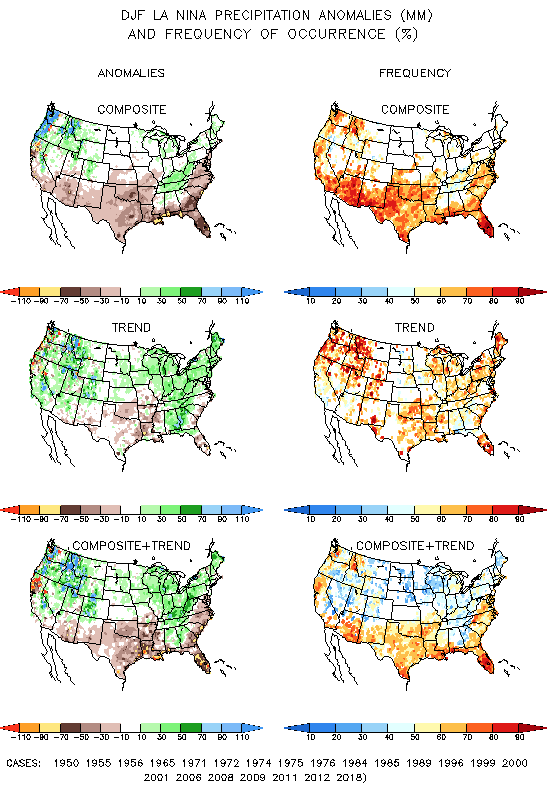
In short, we expect an active storm track through the Ohio Valley and upper Mid West this winter. A “typical” La Nina pattern (remember the disclaimer above, however) features a wet and cold Northwest with an active jet stream pushing frequent storm systems through the Ohio Valley and interior Northeast. Many times, the aforementioned jet stream pattern can lead to an unseasonably warm and dry south-central into the Southeast- overall.

There are certain wild cards that can create headaches in any winter, including the NAO, AO, MJO activity, and Pacific patterns (namely, PNA and EPO).

In our research looking back at La Nada and weak Nina events, there’s a clear tendency for fast starting winters. We’ve been sharing this idea through the summer months and continue to believe a rather significant and perhaps dramatic shift towards cold, wintry conditions looms to wrap up November and head into December.

Getting right to the point, we lean towards December featuring average temperatures that range close to 3° below normal and features above average snowfall of 7″ to 10″ across most central Indiana reporting sites, including IND (where the Dec. average is 6.4″).

The way the CFSv2 seasonal handles the evolution in the upper levels over the course of the late fall into early spring makes sense to us.
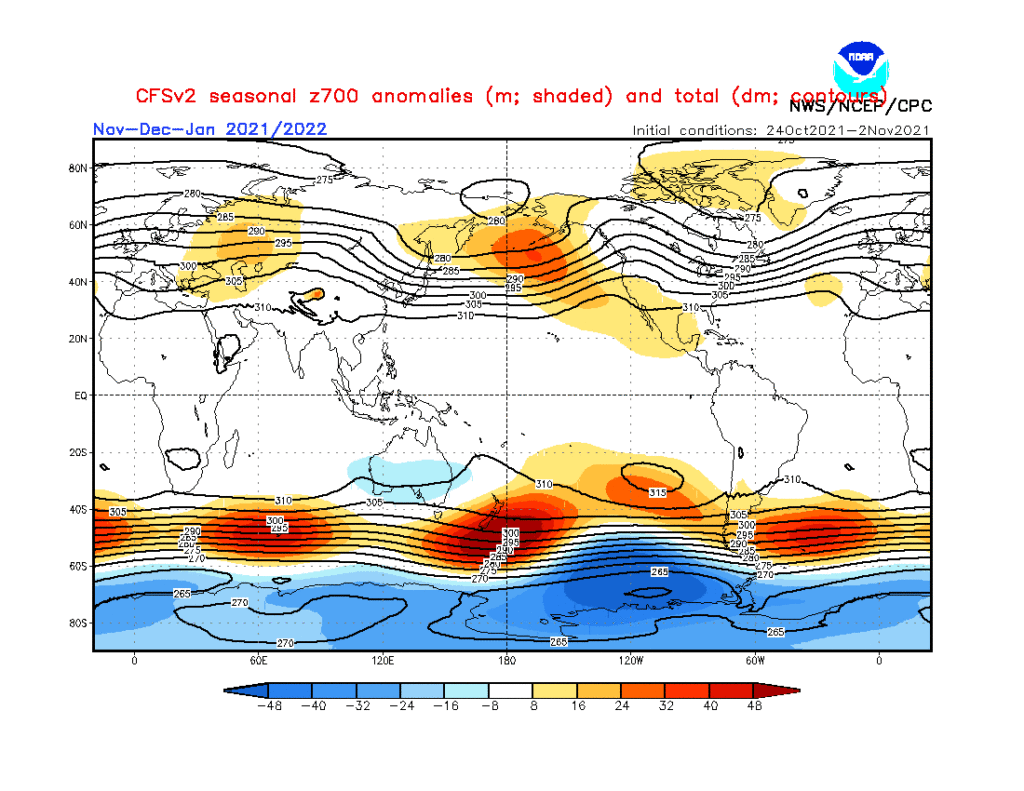
Note how the trough begins to pull back into the West towards mid and late winter. While the active storm track will likely continue to keep us on the playing field for the “perfect marriage of moisture and cold,” the overall pattern should lead to more of a wet/ warm/ mixing issue as compared to cold being able to maturely lock-in to provide an above average snow season across central and southern portions of the state. Across the northern 1/3 of the state, that’s a different story as early season lake effect will also add up!

The idea here is that while we get off to a fast start this winter, it likely will transition towards a milder regime just after the New Year and continue for the better part of the remainder of the winter. That’s not to say we won’t get transitional cold blasts (as is the case in any winter around these parts), but what should be a pattern that drives persistent cold to open meteorological winter is likely to shift in a manner that pulls that cold into the West and opens us up to relatively milder times though continued active for the remainder of January and February. This is based on the current and expected development of sea surface temperatures in the central Pacific, as well as the anticipated MJO activity.

The wild card that can *potentially wreck havoc in this idea 🙂 is that NAO and AO, especially as we get into the 2nd half of winter. Unfortunately, there’s no way to peg those tendency’s with any sort of accuracy this far out.

The IndyWx.com 2021-2022 Winter Outlook for Indianapolis includes a total of 20″ of snow (first flake to last flake) and temperatures (meteorological winter: Dec. through Feb) that run 1.5° above normal.

Happy snow, y’all!
2020-2021 IndyWx.com Winter Outlook…

Author: Bill McMillan

Owner & Chief Forecaster- IndyWx.com

Date: 11.01.20

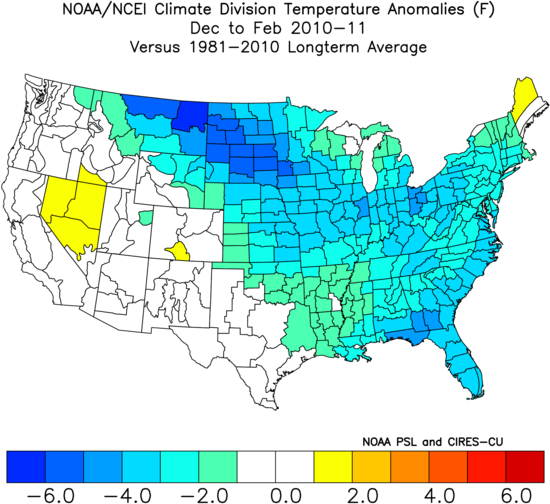
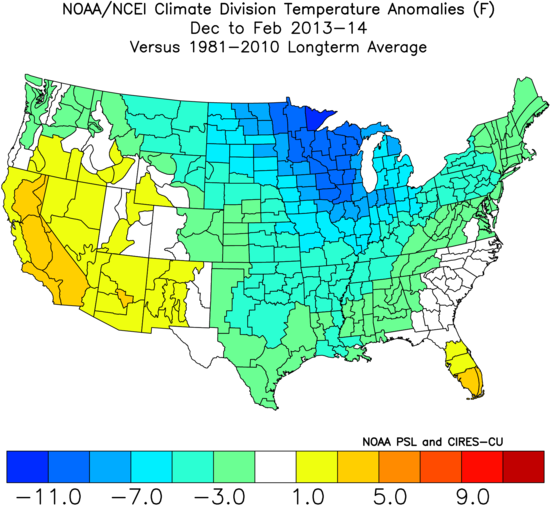
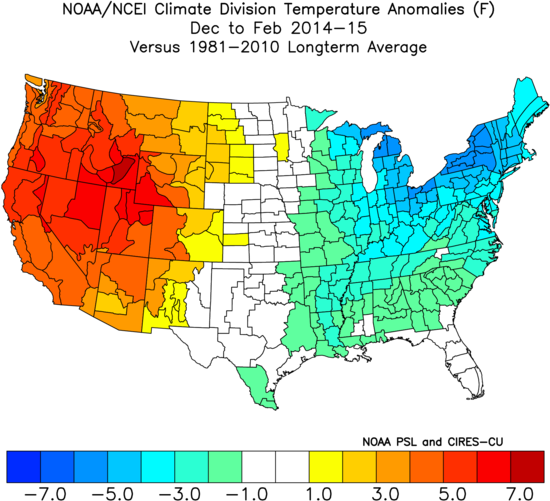
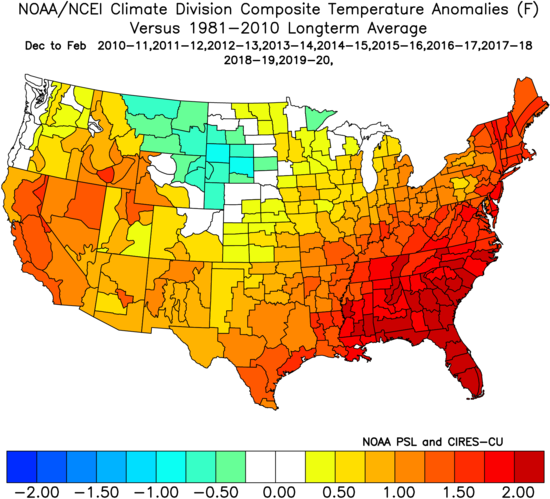
Indianapolis averages 25.5″ of snow per year. To the dismay of many snow lovers across central IN and all across the Ohio Valley, for that matter, we were well below average (9.3″ below normal at IND) last year. Not only have the bulk of the winters over the past decade featured below average snow (couple of outliers, most notably the infamous ’13-’14 winter), but they’ve featured a lack of cold, as well.

Where’s the cold? Overall, the winters of the past decade have run above normal across the Lower 48.

What’s even more impressive is that’s with a few extreme cold winters thrown in the mix. (Just goes to show when warm, we’re running really warm).

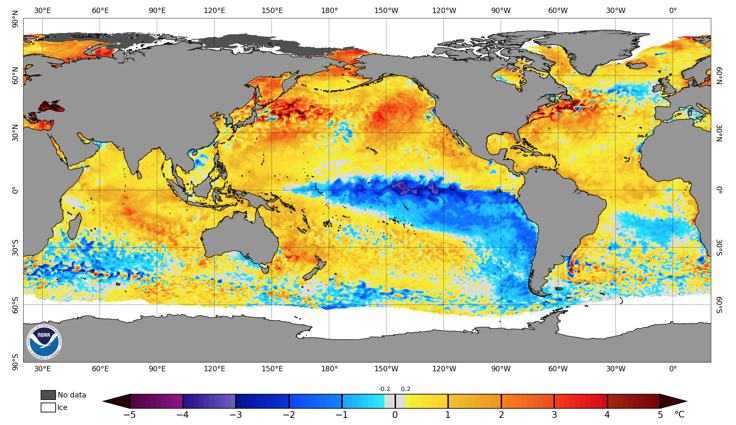
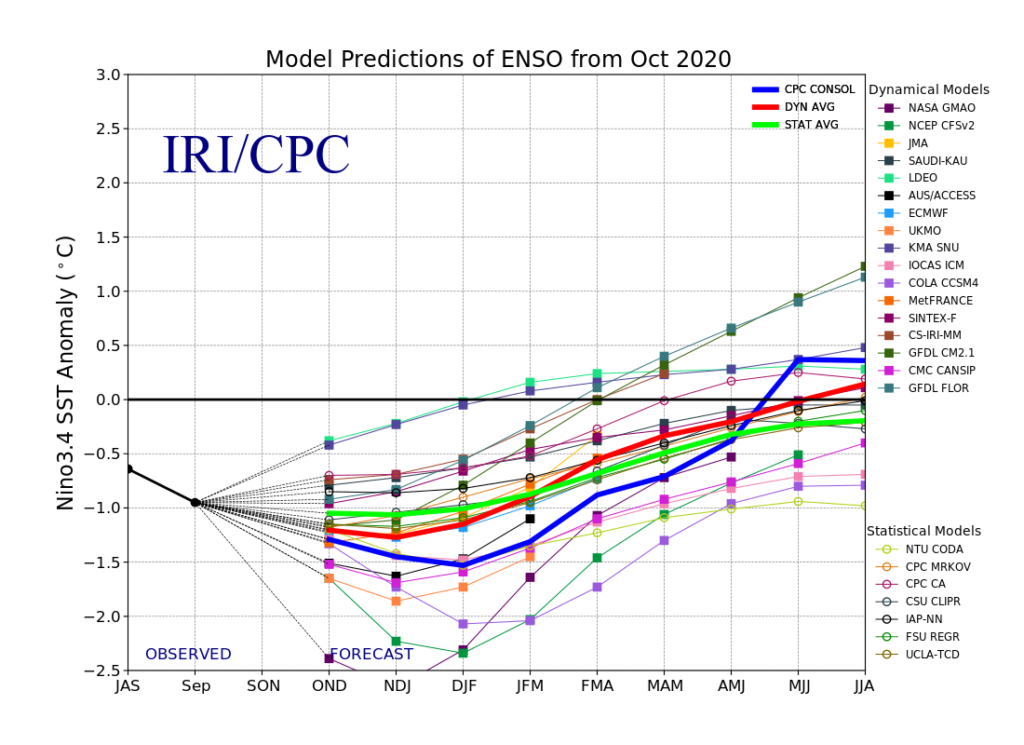
When building a seasonal outlook, it’s always important to begin with a look at the current ENSO (El Nino/ Southern Oscillation) state. Typically, things fluctuate between El Nino (warm waters in the equatorial Pacific) or La Nina (cool waters in the equatorial Pacific). This year, we’re looking at a weak-to-moderate La Nina.

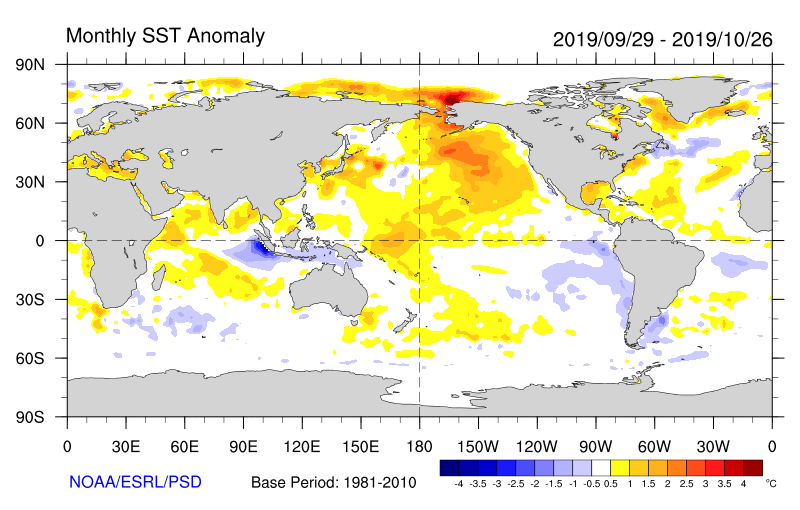
https://www.ospo.noaa.gov/Products/ocean/sst/anomaly/

This is forecast to persist through the winter and upcoming spring:

https://iri.columbia.edu/our-expertise/climate/forecasts/enso/current/?enso_tab=enso-sst_table

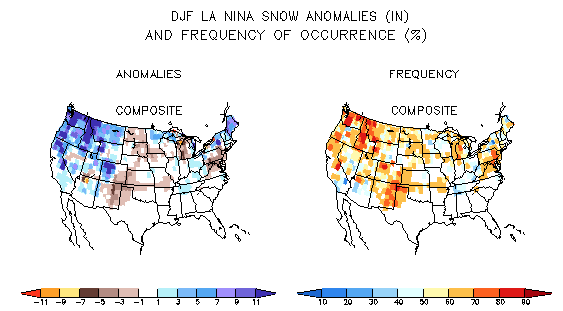
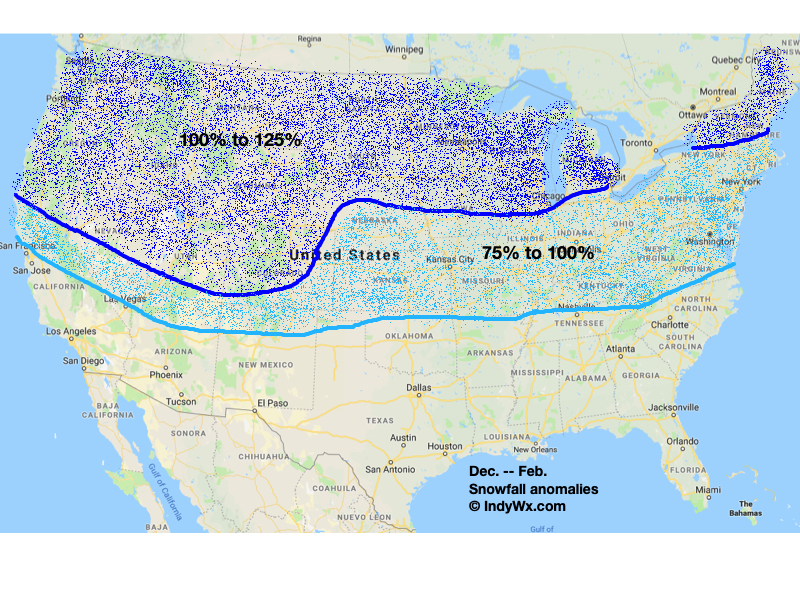
Weak-to-moderate La Nina winters typically produce slightly less than normal snowfall across our neck of the woods, but can also lead to a couple of “big hitters” if the moisture-laden storm systems notorious with Nina winters can combine with the marginally cold air. In most of our analog years, it’s tough to get the cold to “lock in.”

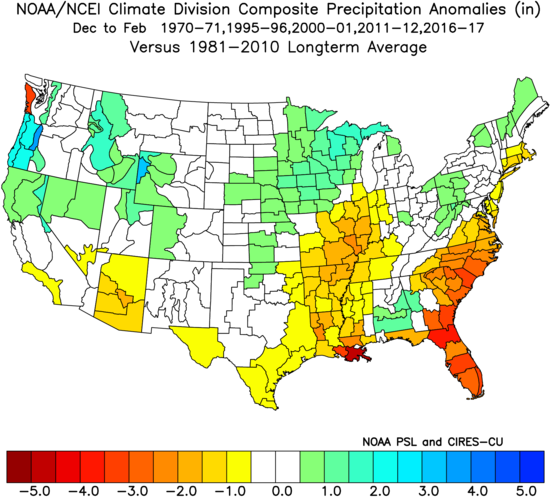
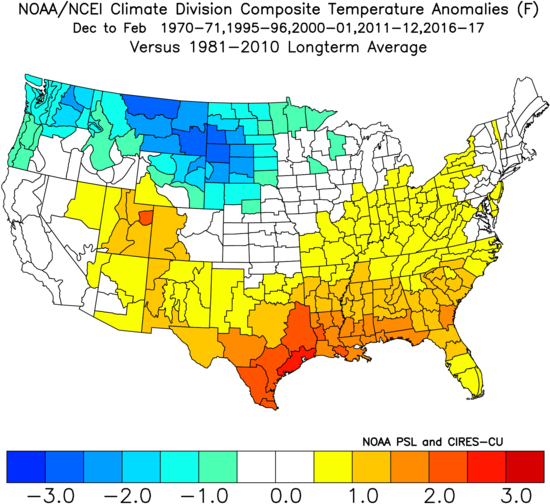
If we simply base our analog package on weak-to-moderate Nina winters, we’ll want to include the following years:

1970-1971

1995-1996

2000-2001

2011-2012

2016-2017

All of these are 1st year weak-to-moderate La Nina winters.

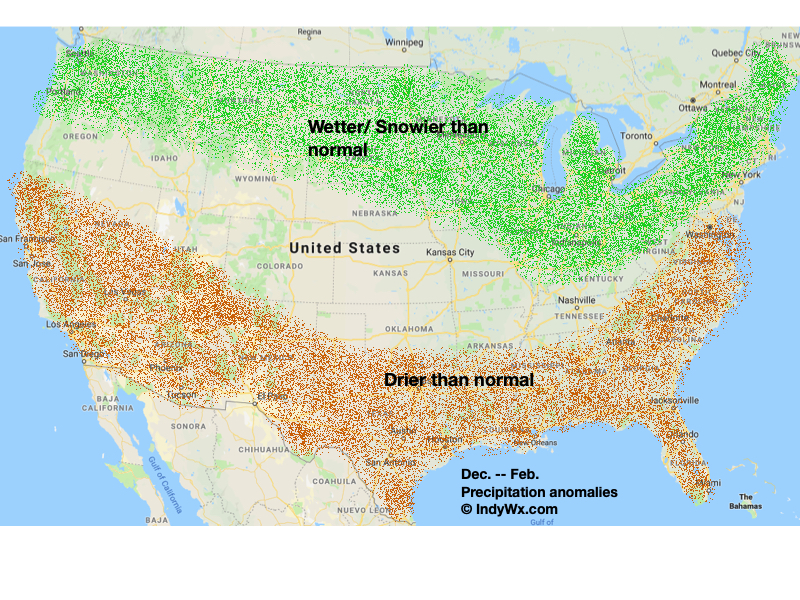
Precipitation Anomalies

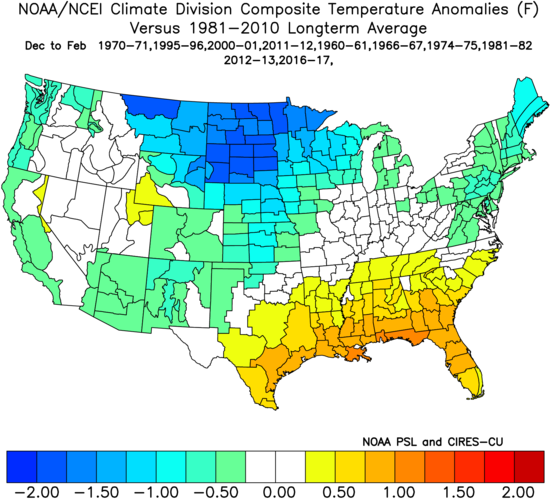
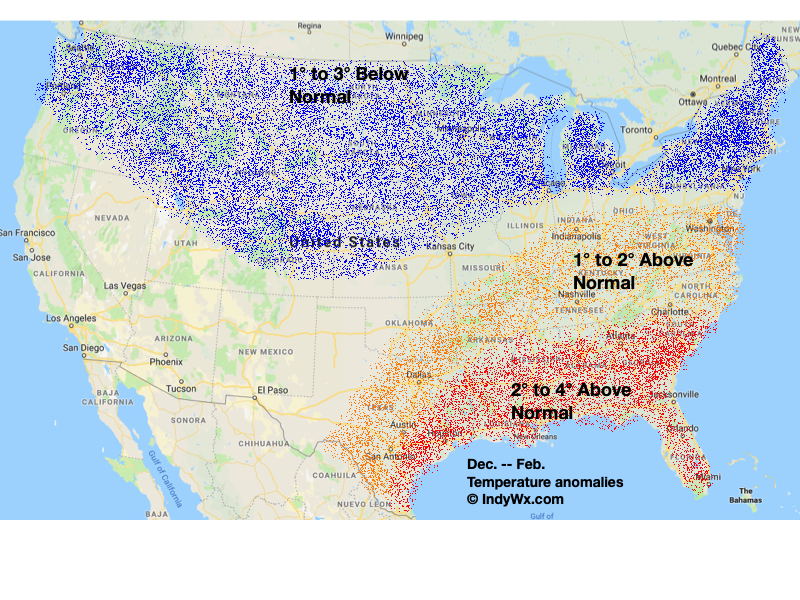
Temperature Anomalies

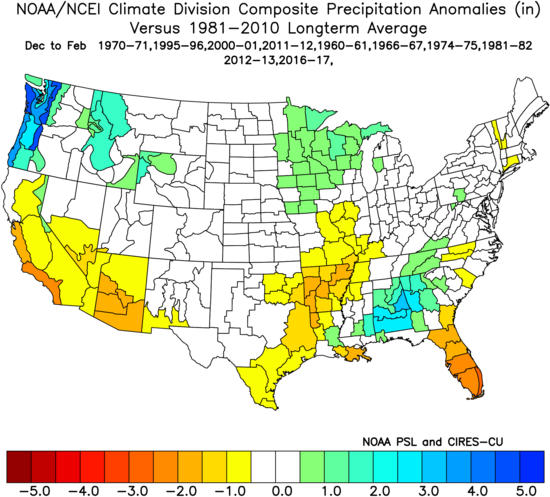
That can serve as a baseline to the general idea, but we want to dig deeper. Recall that we’ve been experimenting with persistent negative AO’s (Arctic Oscillation) in October to try and generate further clues for the upcoming winter. When we add those years into the mix (factoring out any Nino years) and combine the weak-to-moderate 1st year Ninas, this is what we come up with:

Precipitation Anomalies

Temperature Anomalies

It’s this analog package that we’ll ride for the upcoming winter (adding ’60-’61, ’66-’67, ’74-’75, ’81-’82, and ’12-’13 into the mix). We, obviously, will factor in recent climate trends with any year pre-1970.

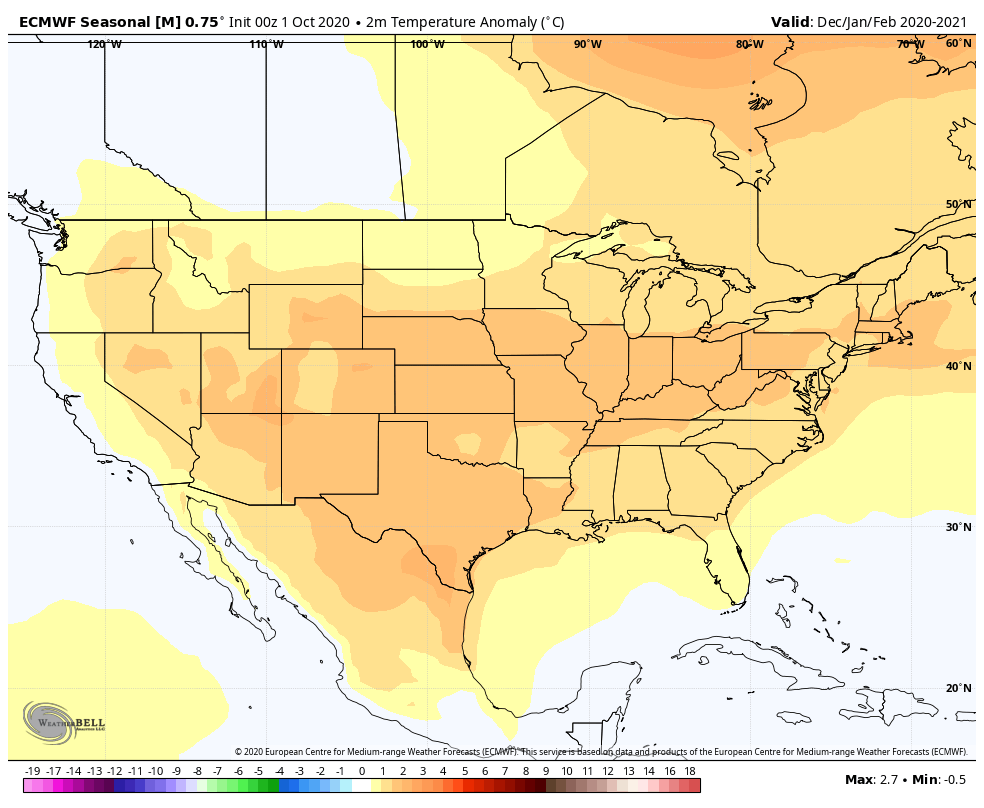
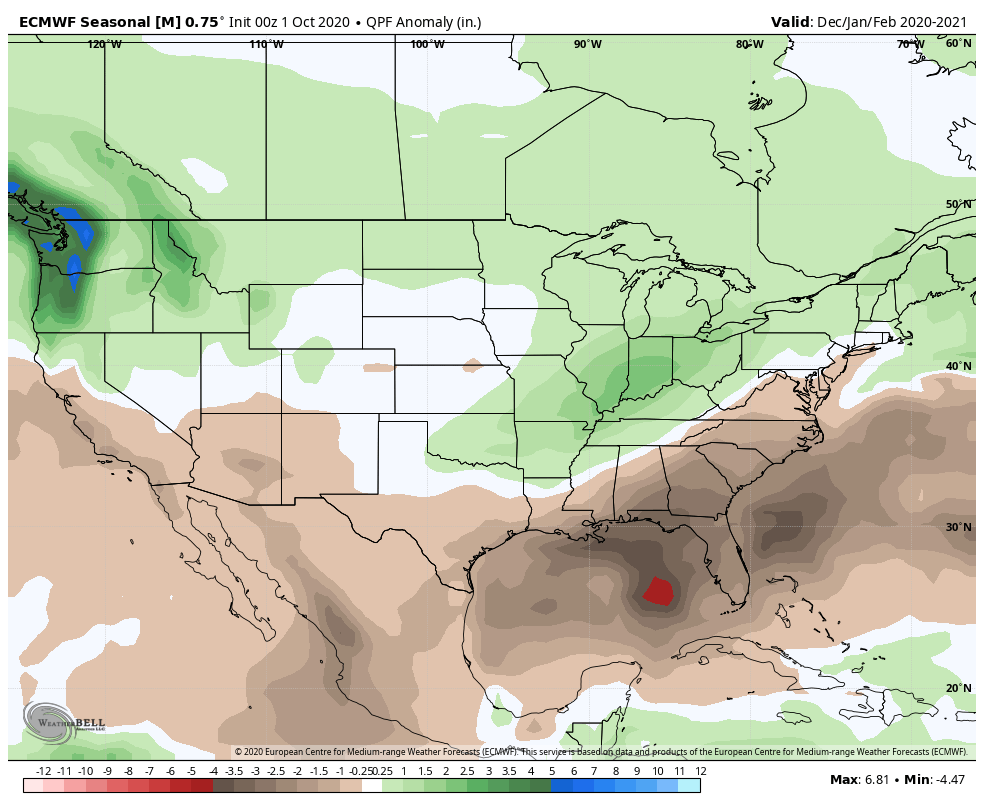
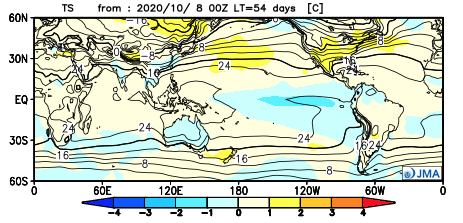
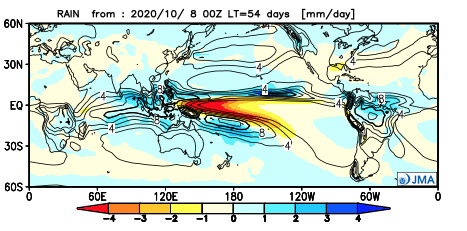
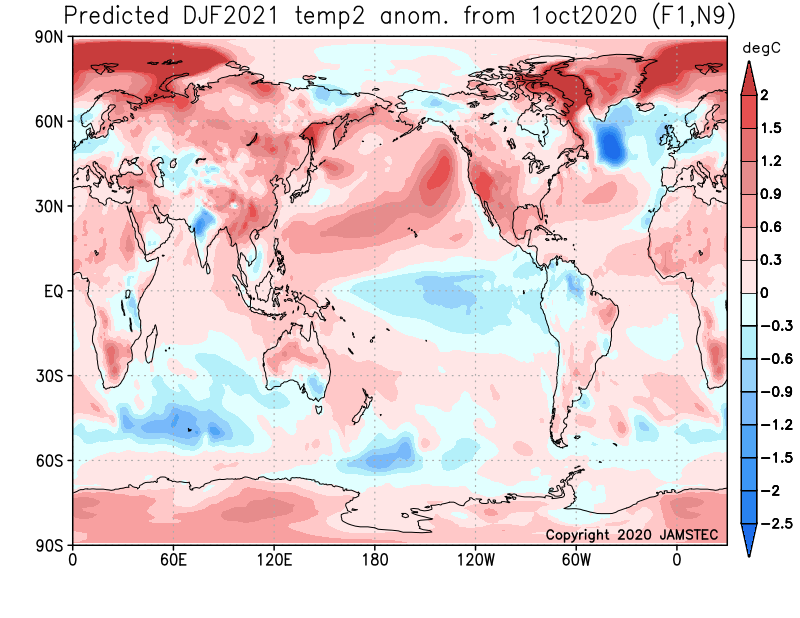
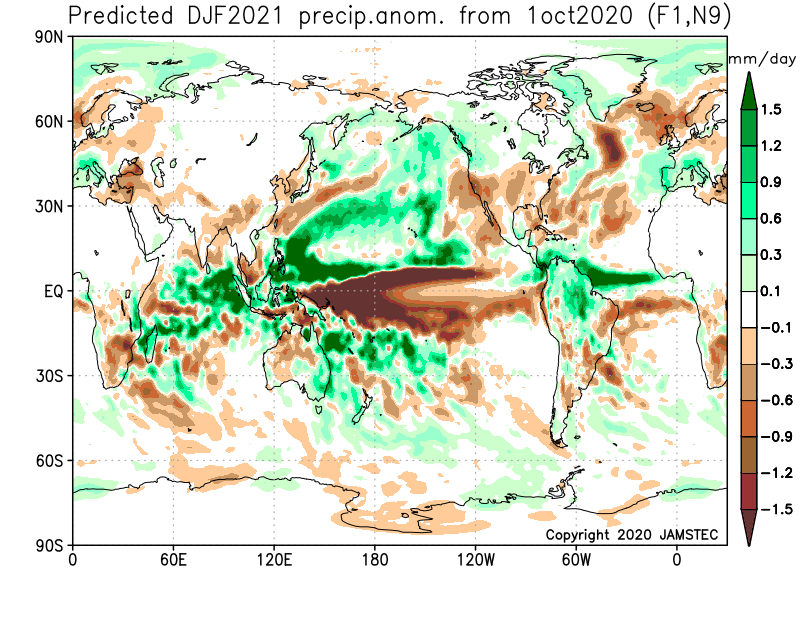
With all of that said, and before we unveil our official outlook, let’s take a look at what some of the seasonal model data suggests for the upcoming winter (December through February to be more precise).

European

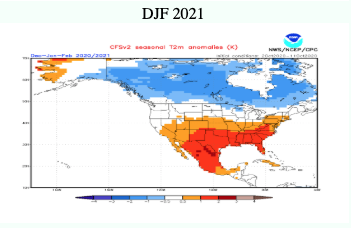
CFSv2

JMA

JAMSTEC

The bulk of the model data above shows a “typical” Nina pattern, but we know each and every winter has it’s own personality…

The wild card this year has to do with blocking, along with MJO amplitude. Both of these are tough to pin point from this distance for the upcoming winter season and will require our attention as we draw closer. That said, the more I research the persistent negative October AO, the more intriguing things become for winter lovers. This is the one item that’s keeping me from “torching” our winter outlook, locally.

Drum roll please: With everything laid out above, our official forecast will call for temperatures to run 1.5° above average at IND in the December through February timeframe with slightly below normal snowfall. Officially, we’ll forecast 20″ of snow at IND (first flake to last flake), but caution that we could have a couple wet, heavy events that make up the majority of that.

Wishing you and yours a blessed holiday season and safe, happy winter!

January-Like Cold Inbound Next Week; What Awaits Thereafter?

“Normals” for January includes highs in the middle 30s and lows in the upper 10s to lower 20s across central Indiana. Early to middle parts of next week are forecast to feature highs in the upper 20s to around 30 and lows in the middle 10s. Yes, these temperatures will challenge records as a truly impressive arctic invasion claims next week’s weather headlines.

Record cold is ahead next week.

A lot of this has to do with the sea surface temperature (SST) configuration across the northern Pacific. We’ve been focusing in on the warmer anomalies across the north and northeastern Pacific and tendency for this to drive a persistent ridge across NW NA since late summer. That persistent NW NA ridge leads to a persistent trough downstream and the associated cold pattern we’re now looking at. As our Winter Outlook suggests, we think this overall pattern repeats itself throughout the majority of the months ahead.

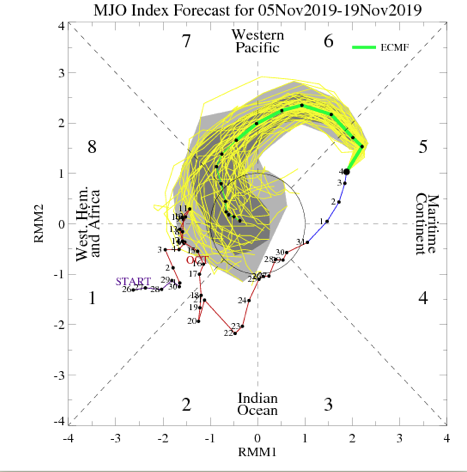
As we look more “immediate term,” what do teleconnections and the MJO tell us about the overall pattern moving past the middle of November? Well, to start, the highly amplified MJO is forecast to roll into Phase 7 around mid-month. This suggests the colder than normal pattern persists.

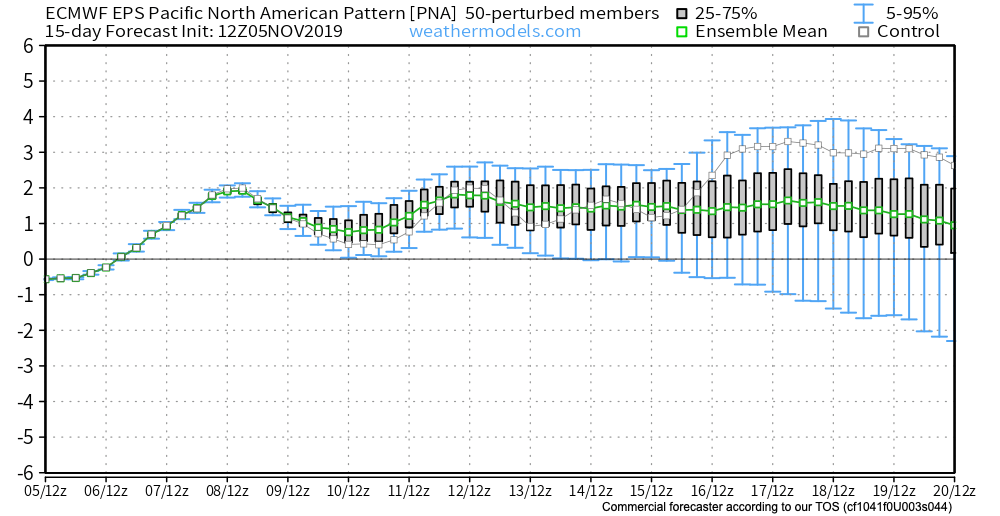
The EPO is forecast to remain negative while the PNA remains positive into and through the mid month period. Both argue for continued cold.

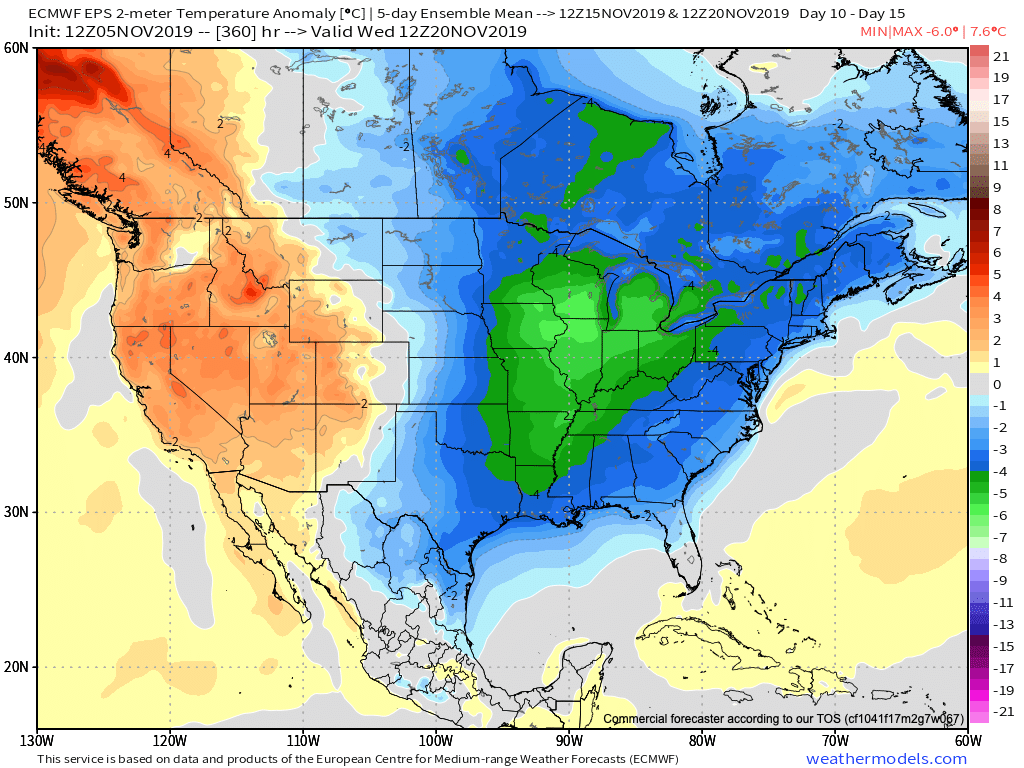
To no surprise, the latest long range data continues to drill unseasonably cold air south into our portion of the country and a large majority of the eastern portion of the Lower 48 in the Weeks 2-3 time period. Snow opportunities will undoubtedly follow with this kind of pattern.

Buckle up…

VIDEO: Still Worth Keeping A Close Eye On Thursday-Friday; Potential Record Cold Before Mid-Month?

You must be logged in to view this content. Click Here to become a member of IndyWX.com for full access.  Already a member of IndyWx.com All-Access?  Log-in here.